
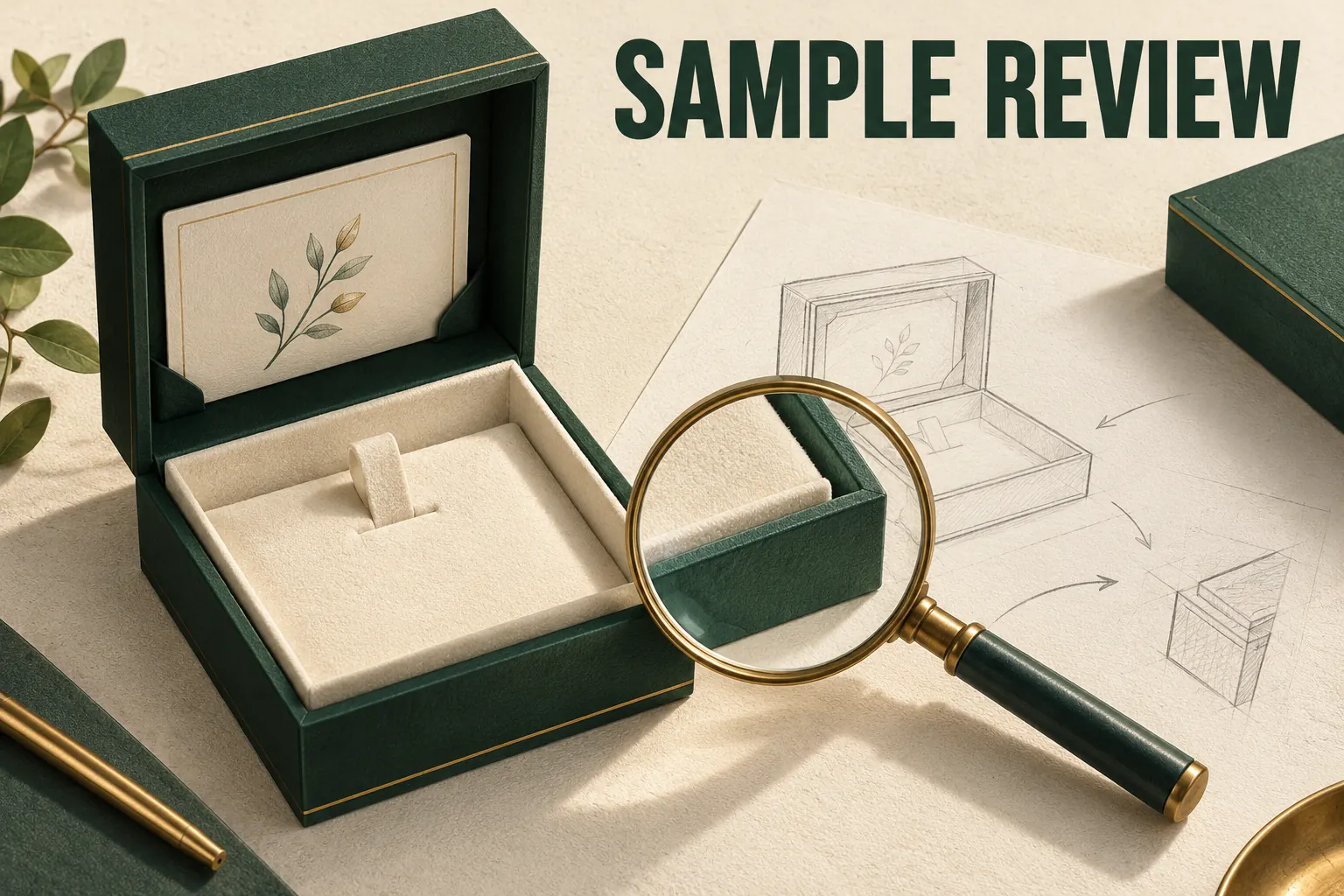
Inspect a packaging sample against an identified configuration and a stated requirement. Review the empty structure, add the complete contents, then check appearance and the intended pack-out. Record what was observed, what needs changing and what wasn't checked before making the next decision.
View the full-size planning illustration
A sample record should let another person locate the same finding. It should also show which sample, product and file versions the decision covers. A good-looking empty box leaves several loaded and printed questions unanswered.
Identify the sample and the requirement first
Give the received sample a reference and connect it to the current drawing, material description and artwork revision. List the real product and every component used during review, including lids, inserts, cards and wraps. Preserve a view of the received state before making adjustments.
Compare the received configuration with what was requested. A blank structure, a printed shell and a complete loaded gift answer different questions. If a material or component has been substituted, identify it before extending an earlier decision to the new arrangement.
Write the requirement and method beside each check. For dimensions, name the measured feature, unit, tool and condition. NIST's measurement explanation supports defining the property and reference associated with a reading. It doesn't provide packaging tolerances or a universal fit allowance.
Agree the relevant acceptance basis with the responsible parties. If none has been established, record the observation and the decision still required. A number without an agreed purpose shouldn't become a pass criterion because it appears in a spreadsheet.
Review the empty and loaded states in sequence
Assemble the box from its supplied state, following the proposed instructions. Record prepared joints, local forming steps and missing components. Check the empty closure before adding the holder and product, so a later change in behavior can be located.
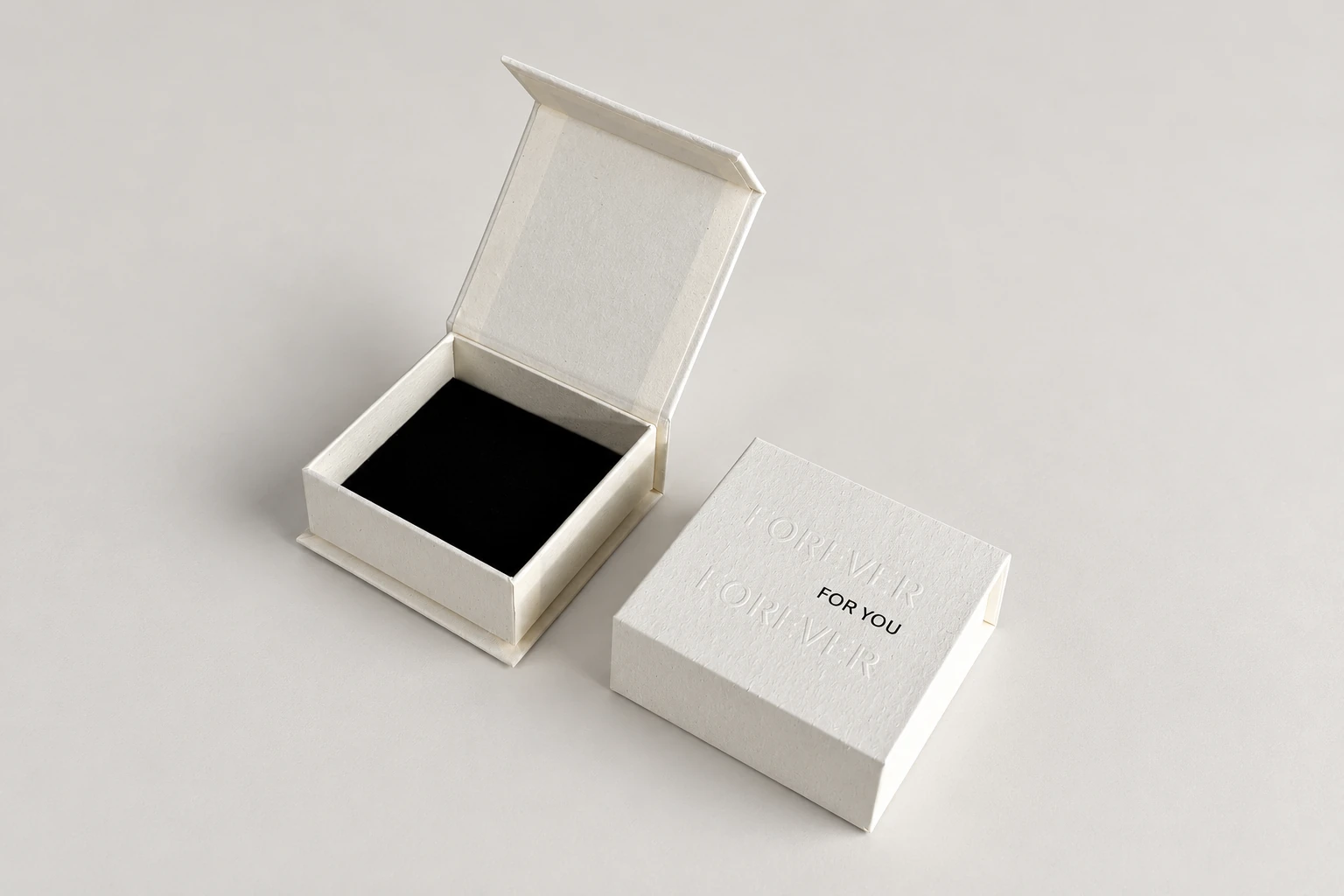
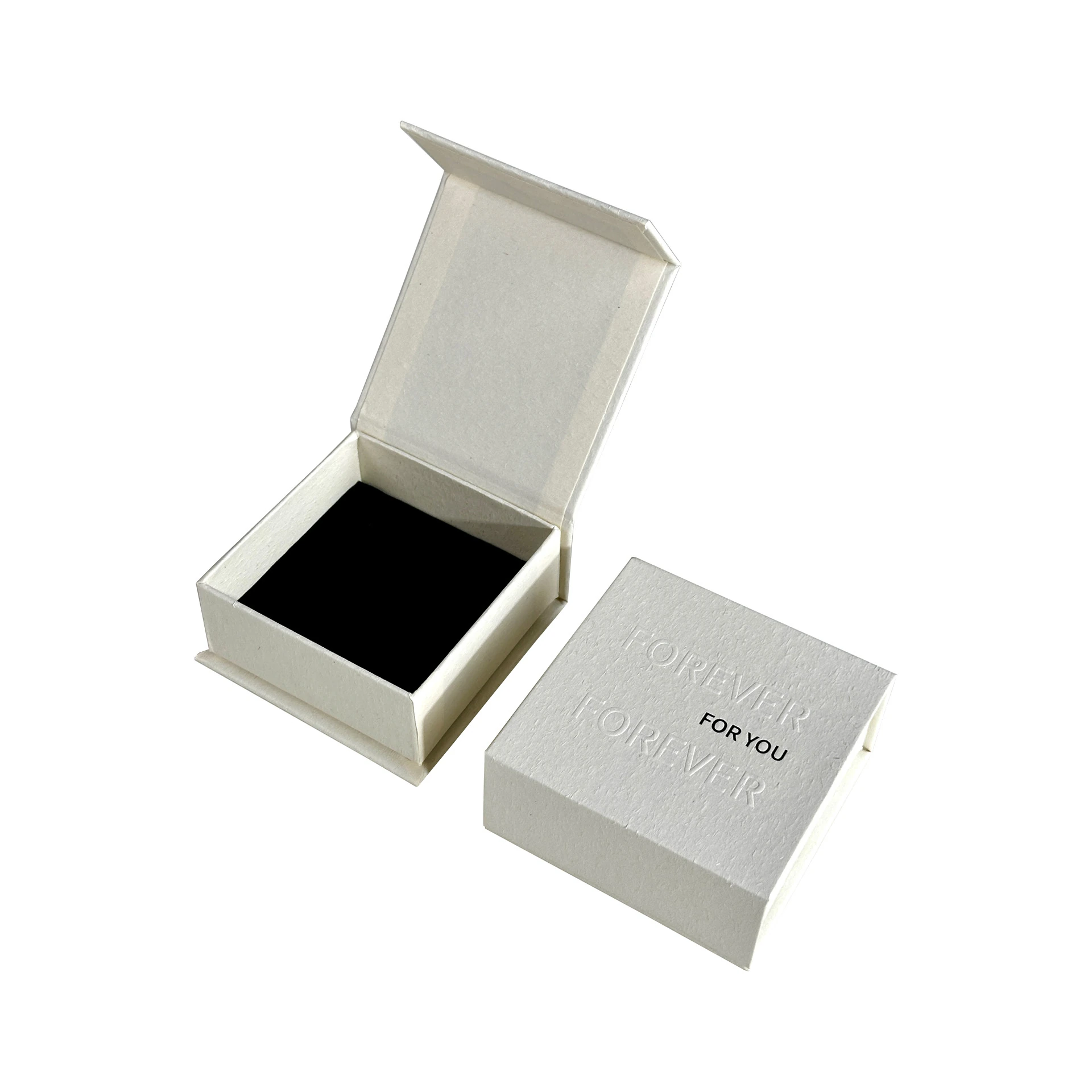
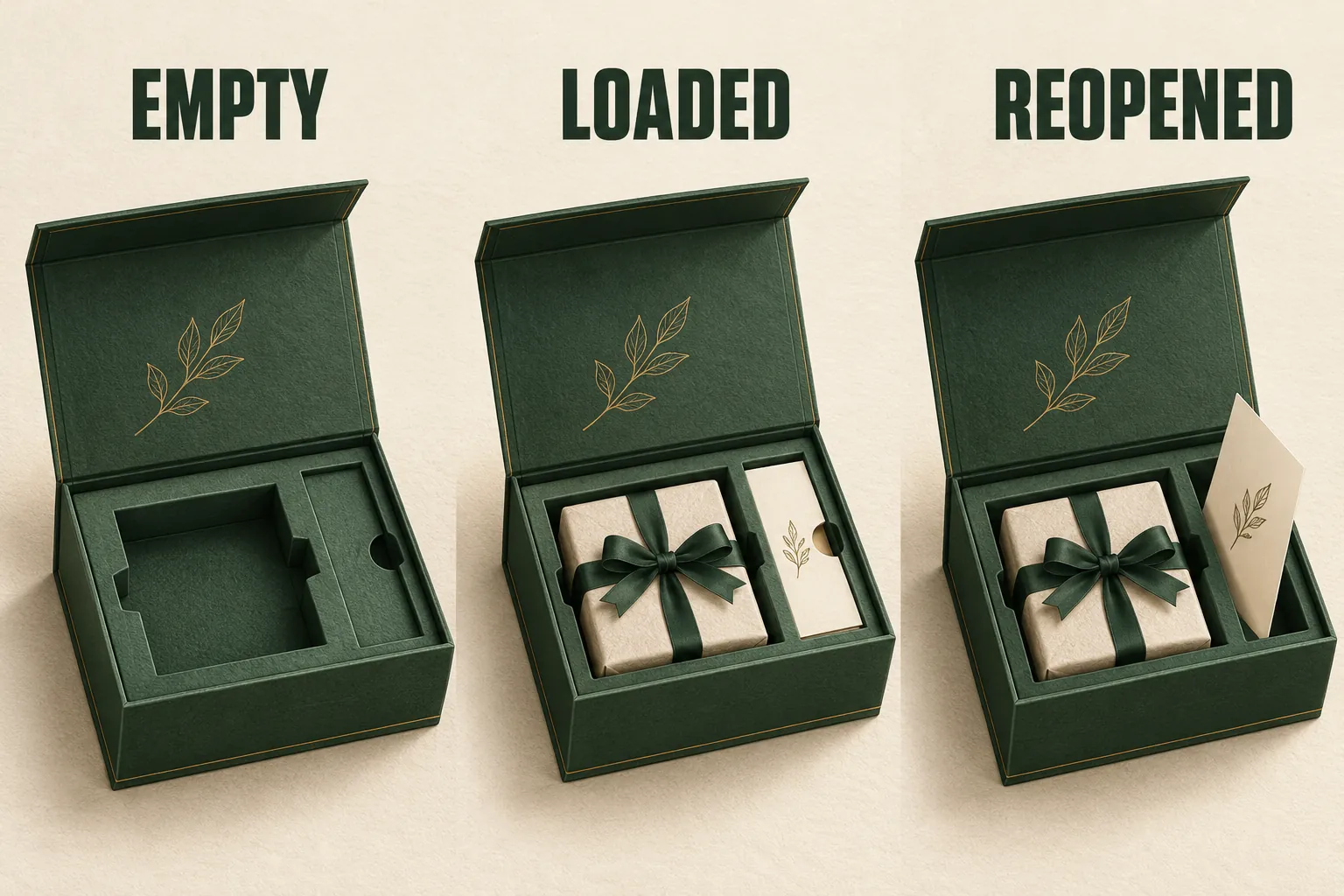
Install the insert, then load the complete contents in the intended order. Watch the contact points, upper clearance and the position of loose cards or accessories. Close, reopen and follow the intended removal route with that same configuration.
For a drawer jewelry box, observe tray movement and support as well as the final closed position. For a mailer with insert, include the closure and any retail pack inside it. An accepted empty component doesn't establish the loaded relationship.
Inspect printed copy and orientation at their intended size. Compare color or finish only against evidence appropriate to that decision. A blank sample can support specified structural observations while leaving foil appearance and printed color unreviewed.
Write findings another reviewer can locate
Give each finding its own row. Describe the action and the two components involved before proposing a remedy. The following fields work for a first sample review and remain useful when a correction is requested.
Scroll horizontally if columns extend beyond the view.
| Record field | Useful content | Decision it supports |
|---|---|---|
| Configuration | Sample, product, drawing and component references | Which arrangement was reviewed |
| Requirement | Intended function or agreed criterion | What the check concerns |
| Observed state | Located condition during a named action | What actually happened |
| Evidence | Marked view, measurement or file reference | How another person can inspect it |
| Next action | Specific proposal or further check requested | What can change the decision |
| Result | Accepted for this check, change needed or not checked | The actual review boundary |
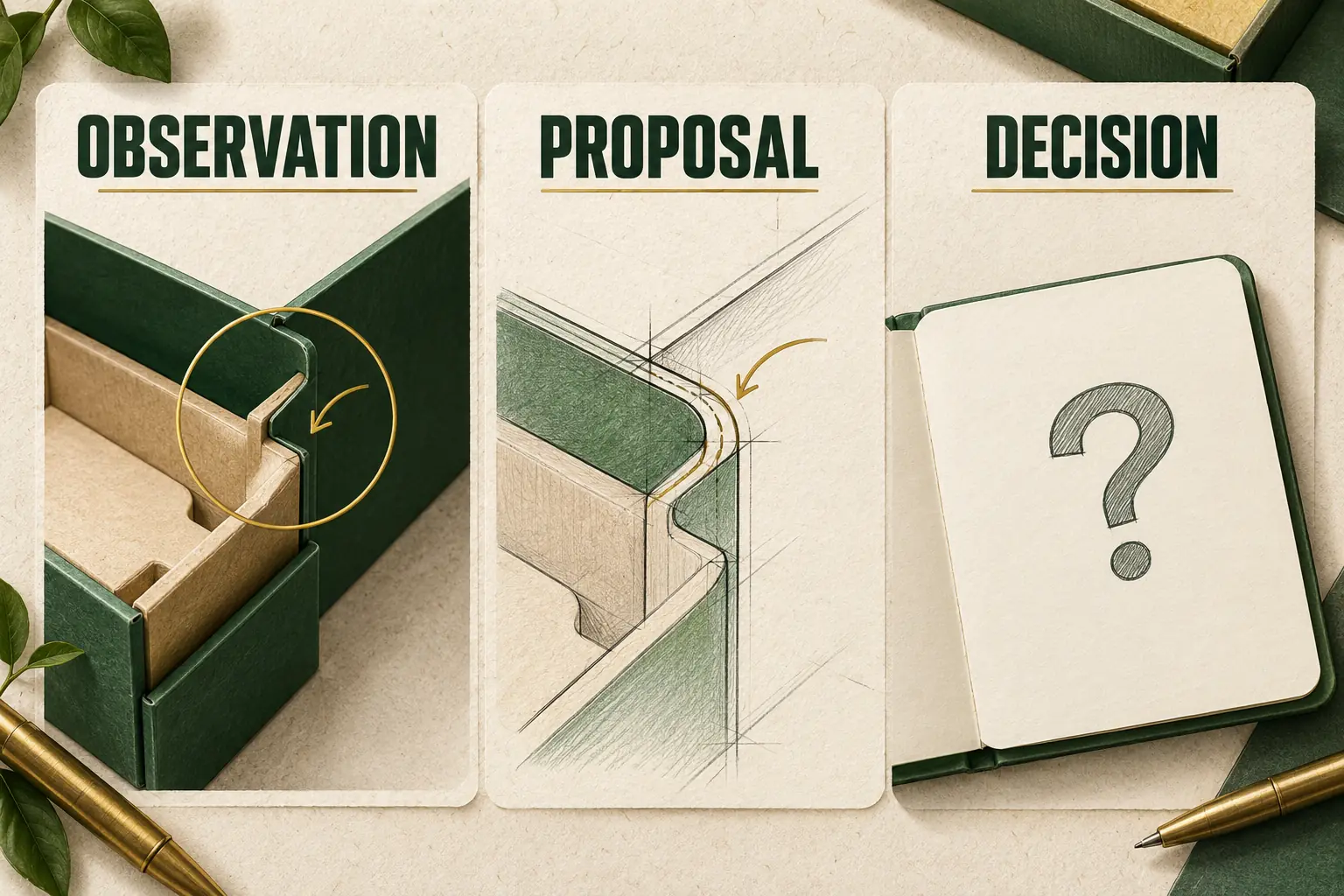
Keep the observation separate from its suspected cause. A lid meeting an insert corner could involve the holder's seating, local shape or the lid construction. Request the required result before ordering a particular dimension change that might affect support elsewhere.
Name the decision owner and date. A photograph received from a supplier is evidence to review, not automatically a buyer acceptance. Keep the original file alongside any marked copy so the located annotation can be understood later.
Use a planning decision to expose untested scope
Planning example: a review sheet has three rows for a proposed necklace box. The first concerns loaded closure, the second concerns access to the card and the third concerns foil appearance. The example supplies no actual observations or inspection result.
If a blank sample arrives, the first two rows may be available for an appropriate physical review. The foil row remains untested because the requested treatment isn't present. Receiving a neatly formed box shouldn't convert all three rows into accepted.
Suppose a later review records a located closing interference and requests a revised corner. The next request should identify that finding and preserve the product arrangement used. It should also ask whether the correction affects card access or support, rather than declaring the entire box approved once the corner looks different.
Use the sample revision comparison after a replacement is proposed. That guide follows the change across versions; this checklist records the first bounded observations that make the correction request useful.
For photographs, keep a wider view that identifies the arrangement and a closer view that locates the finding. Add the sample reference and the action being shown. A close-up without context can make it difficult to distinguish a lid edge from an insert edge, especially when several similar sample versions are being discussed together.
Keep fit acceptance separate from transport evidence
ISTA's design guidance connects distribution-test choices to the actual environment and decision objective. A tabletop opening or fit review supplies no equivalent route evaluation. If transport protection is required, identify the complete pack and agree the appropriate separate scope.
When an existing report is offered, compare its specimen and method with the ordered configuration. ISTA's retesting guidance notes that changed product and package details can affect the need to repeat testing. Don't assume a report follows every new insert, product or closure unchanged.
The same boundary applies to production. A review of one identified sample doesn't decide the acceptance of a delivered batch. Purchase specifications, incoming inspection and disposition responsibilities need their own agreement and evidence.
Return one usable decision record
Before sending the result, check that every accepted row has an actual observation or relevant reference. Keep untested rows visibly open. State whether the next step is a correction proposal, another sample scope or a specified release decision.
Attach the current drawings, located evidence and complete contents list. Preserve earlier sample identities where practical, especially when the supplier is changing geometry or materials. This makes the next comparison about the same requirement rather than a new arrangement with an old approval label.
Bring the finding record to a packaging sample inquiry. A focused request gives the supplier a location, an intended result and the evidence needed next, while the review remains tied to what was actually checked.