
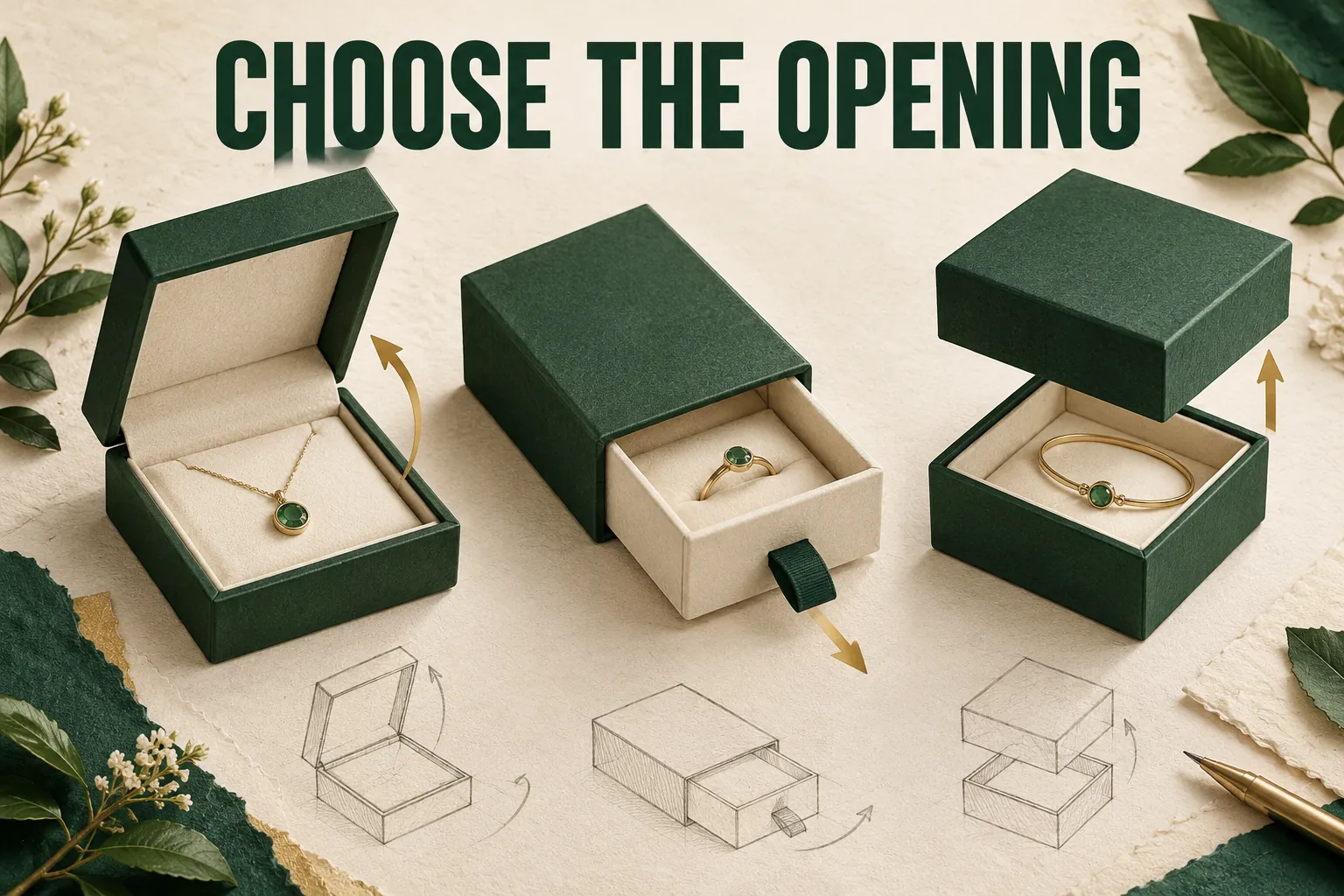
Compare jewelry box types through the recipient's opening task, the position of the piece and the way it is removed. Shortlist the moving structure first, then request a holder and sample around the actual jewelry. A hinged lid, drawer and lift-off lid create different handling relationships.
View the full-size planning illustration
The useful choice is a construction that can be examined, loaded and tried. An exterior silhouette leaves the finished interior, contact material and recipient access unresolved. Keep those decisions with the actual product instead of ranking box names by appearance alone.
Describe the jewelry and the opening setting
Identify the piece in its intended presentation position. Include the card, chain, clasp, earring backs and any wrap that remains inside. Record product version, packed envelope and weight so each candidate is assessed against the same contents.
Then describe where opening happens. A shop assistant may hold the base while presenting the piece. A recipient may place the box on a table. A detached lid needs somewhere to go before the jewelry can be reached. These settings change the task you should review.
Separate first presentation from daily repacking if both matter. A mounting arrangement that works during initial assembly might depend on a tie or tool the recipient won't retain. Ask how the jewelry returns to the holder after use rather than assuming the first loading method remains available.
Use the jewelry measurement guide for product, installed projection and finished-interior references. This structure comparison chooses the opening family; it doesn't replace those later fit measurements.
Compare what moves and what stays supported
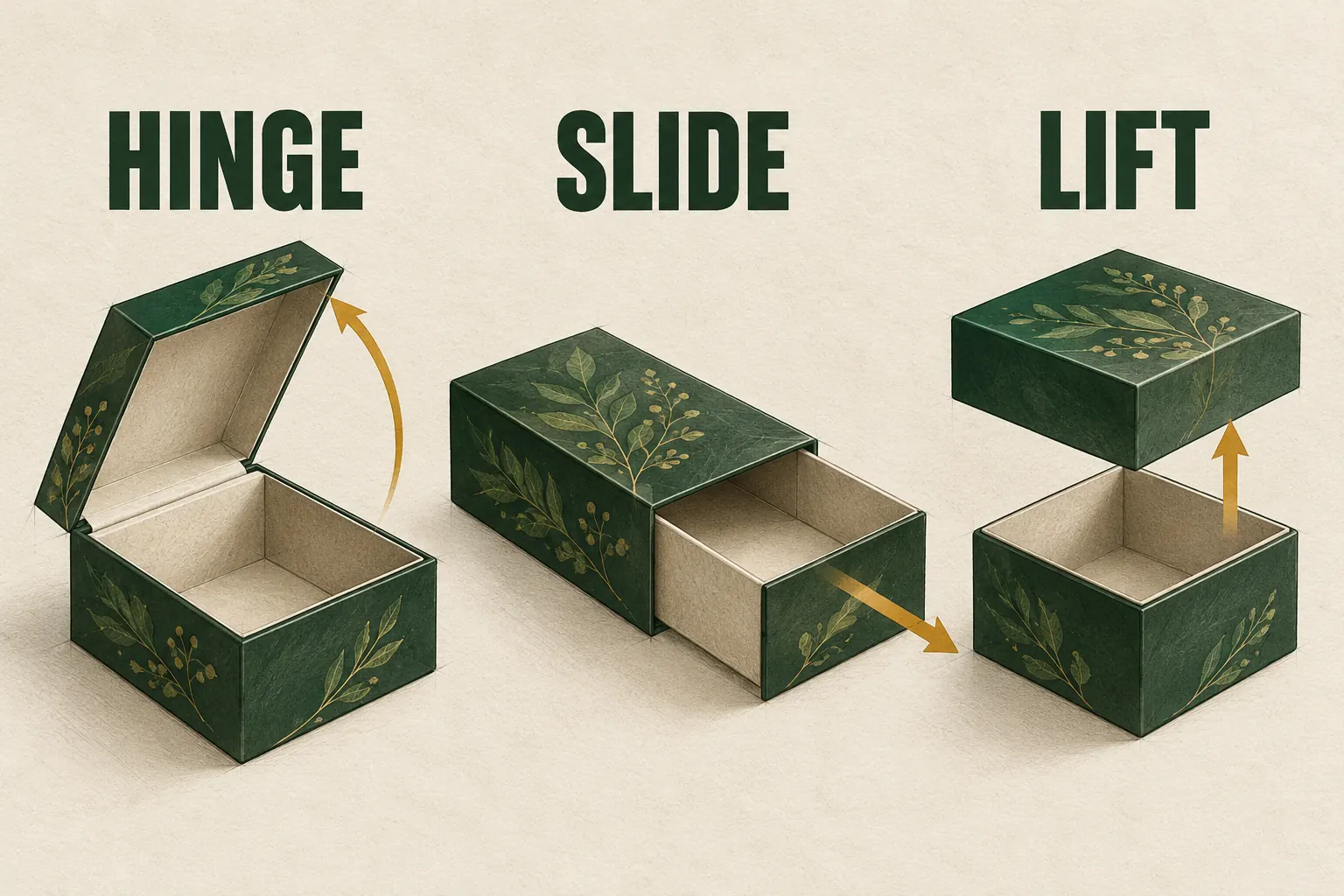
Draw the moving and stationary parts of each candidate. Keep the complete product in the picture, including any holder the customer is intended to lift.
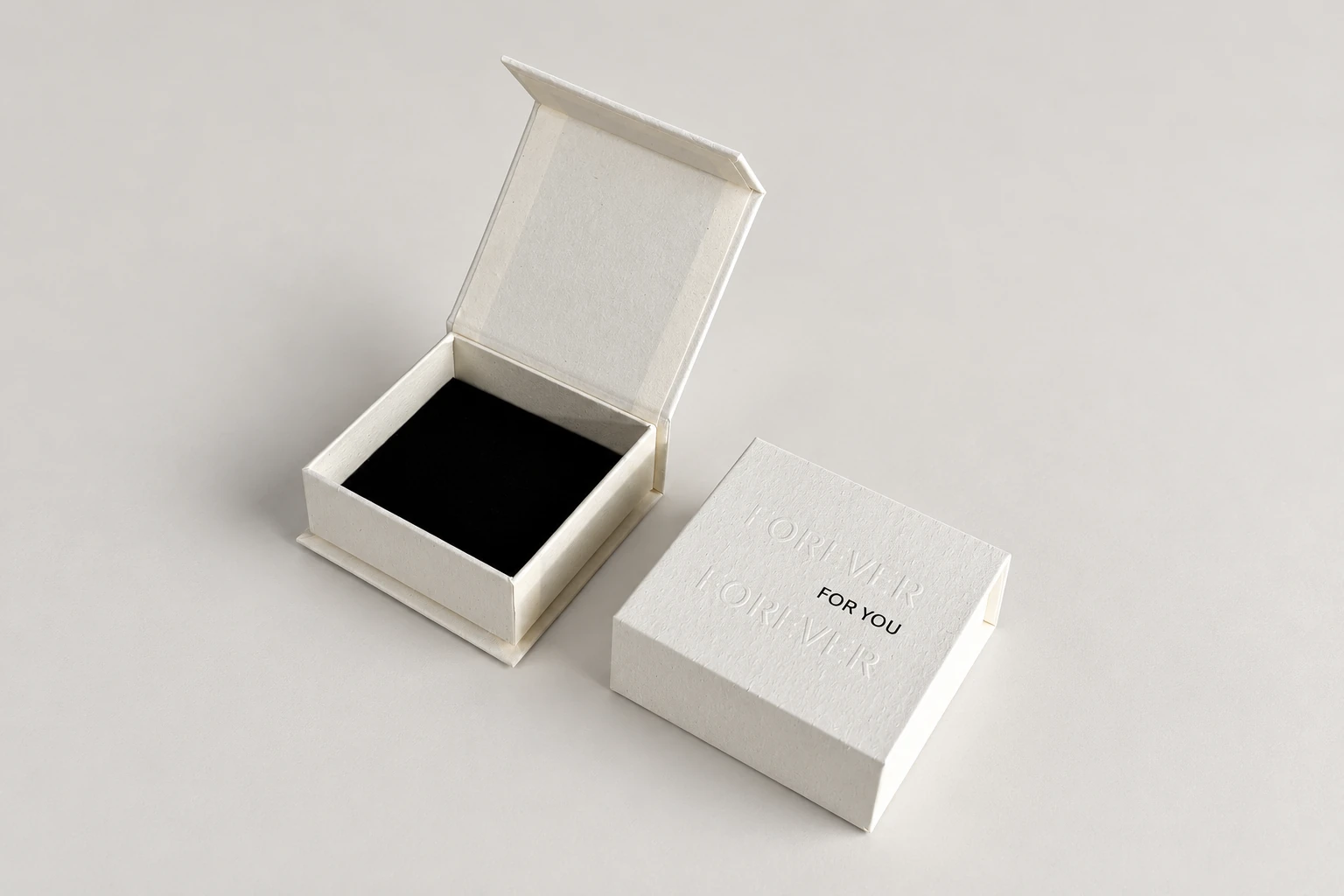
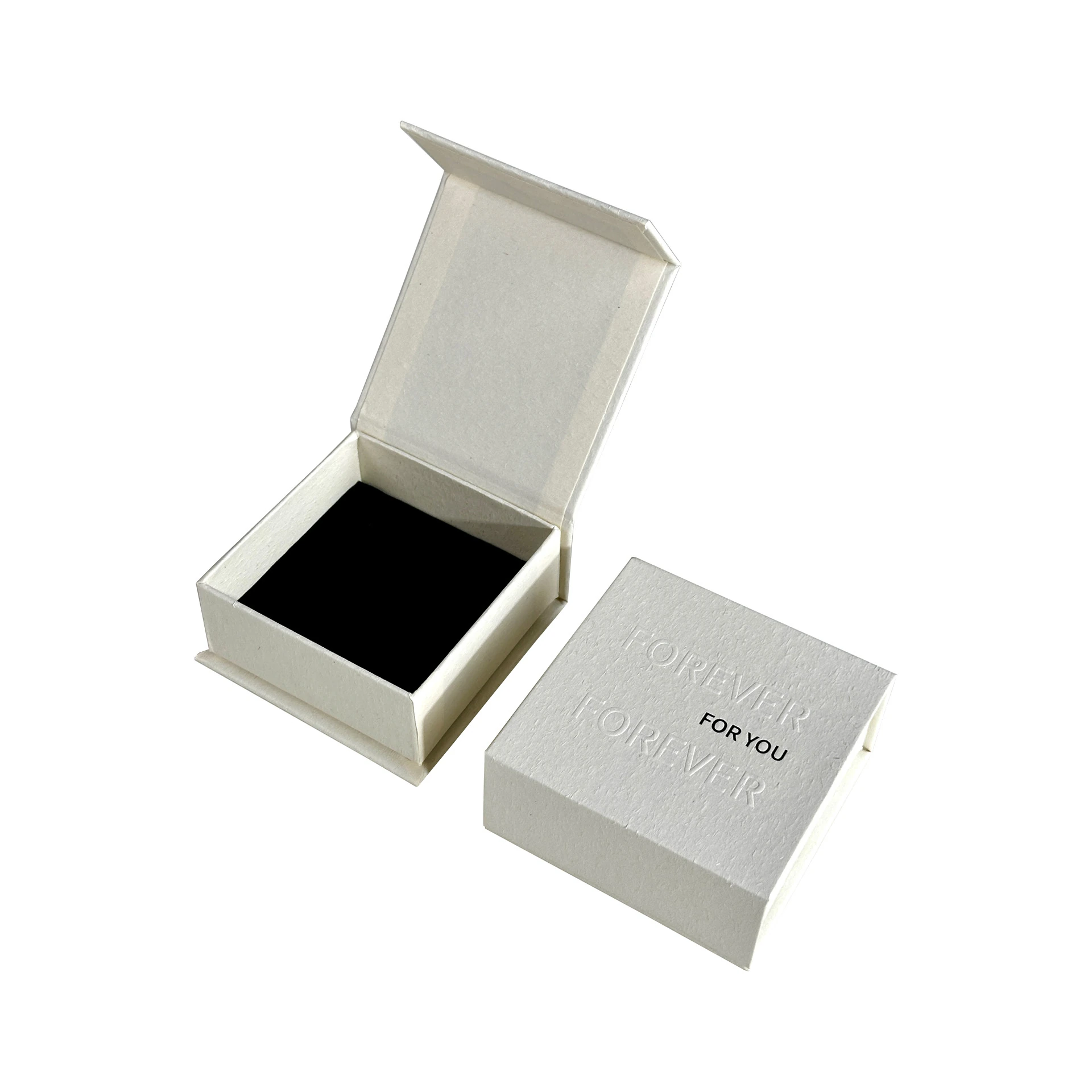
Scroll horizontally if columns extend beyond the view.
| Structure direction | Moving relationship | Question for the sample |
|---|---|---|
| Hinged lid | Cover rotates while the base supports the contents | Does the opening leave reachable space around the card and jewelry? |
| Drawer and sleeve | Tray moves through an outer sleeve | How are sleeve and tray held when the product becomes accessible? |
| Lift-off lid | Lid separates from the loaded base | Can the recipient grip, lift and place the lid while supporting the base? |
| Pillow pack | Curved end flap opens into a formed cavity | What usable space and removal route remain after forming? |
| Tube | Lid opens above a cylindrical interior | How does the supported piece become reachable at its intended depth? |
PakFactory's structure catalogue distinguishes hinged, detachable-lid and sliding constructions. Use that terminology to ask for an actual drawing. It doesn't establish a preferred structure, holding force or protection result for your jewelry.
A magnetic jewelry box and a drawer jewelry box are starting directions for different opening questions. The closure name alone doesn't decide access, fit or shipping performance.
Keep the piece, holder and box interfaces separate
Review the jewelry against its holder, the holder against the finished enclosure and the person's access to the piece. One attractive front view can hide a problem in any of those relationships.
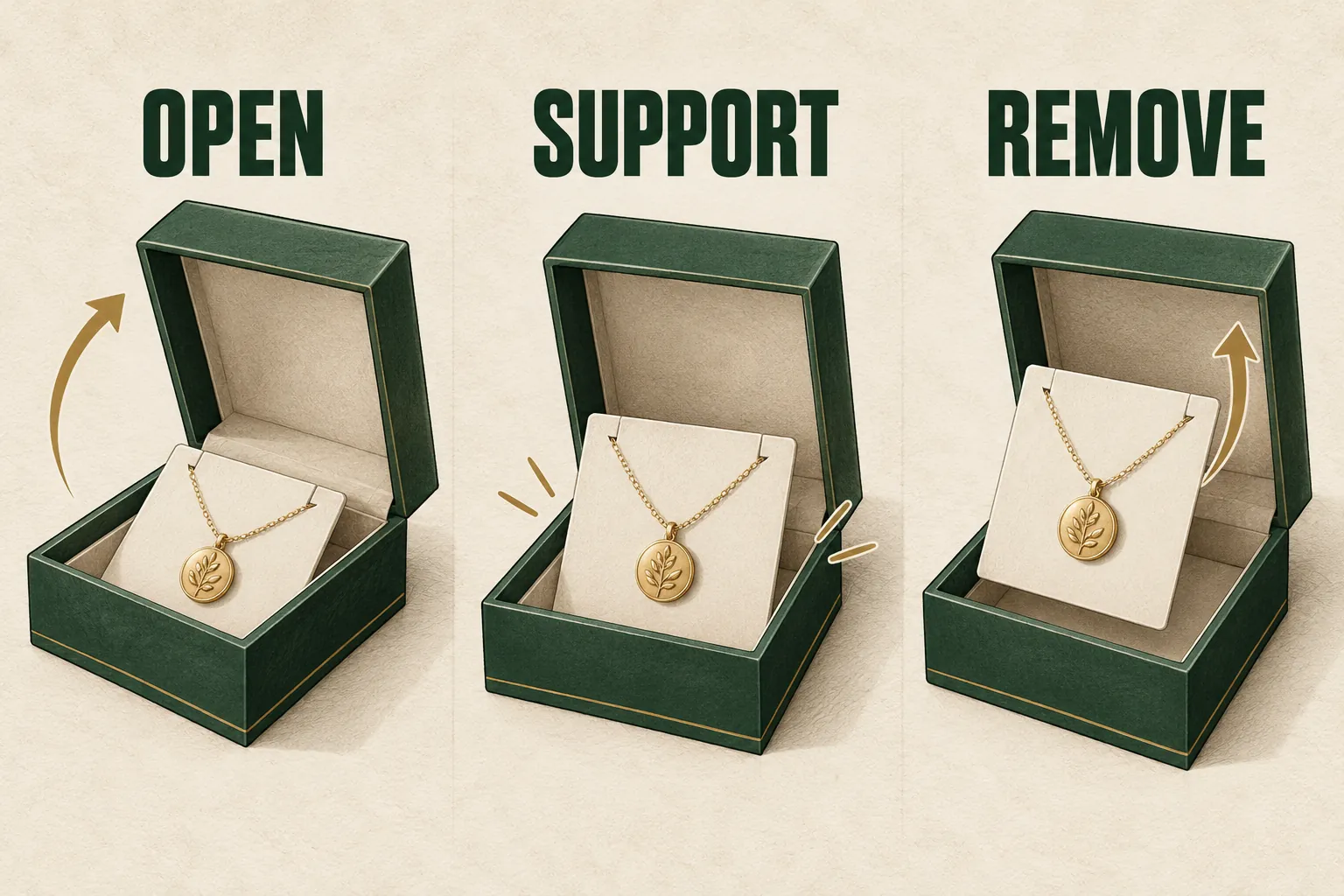
A card may display a pendant clearly while trapping the stored chain behind it. An insert may position a ring correctly while raising its setting into the lid. A holder can fit the interior yet leave no reachable edge for removal. Record each relationship rather than treating neat placement as complete approval.
Identify the intended grip. If the proposal uses a card-lifting feature, ask how the card is retained during presentation and released for access. Keep the jewelry supported through that action. A picture of fingers holding a chain doesn't establish that the chain is a suitable way to lift the whole arrangement.
Also review what loose parts do as the box opens. A care card above the insert or an unsecured pouch can change access even when the jewelry and holder remain unchanged. Keep the full contents list with each candidate sample.
Build a shortlist from a pendant planning exercise
Planning example: compare three proposed structures for one pendant mounted on a card, with a separate care card inside. The intended action is to lift the presentation card before releasing the necklace. No candidate has been made or evaluated for this exercise.
For the hinged candidate, request a view showing the lid's open position and the reachable card edge. For the lift-off candidate, ask how the base is held while the lid is removed and placed. For the drawer candidate, identify tray support at the position where the card can be grasped.
Keep each holder proposal linked to its own box. A card that fits one interior doesn't prove that its grip, support or closed clearance works in another. Record the unresolved relationship beside each candidate before choosing the next sample.
The shortlist can contain a preferred direction and an alternative without inventing pass results. Its job is to explain which sample would answer the leading question. Appearance can still be a preference, but it should not erase an unresolved retrieval task.
Review the complete interaction with intended users
Microsoft's accessible-packaging guidance considers discoverable openings, reachable features and the broader interaction with people. Those principles encourage a complete task review; they don't provide a universal jewelry-box grip dimension or certify your candidate.
Observe finding the opening, reaching the grip, moving the closure and retrieving the product as separate stages. If a person needs help with the card after opening the lid, keep that assistance visible in the record. A successful first movement doesn't settle the whole task.
Avoid assigning preferences to everyone based on a diagnosis, age or assumed hand strength. Define the intended audience and appropriate review arrangement. Allow a participant to stop rather than forcing completion to obtain a positive result.
Changes should return to the affected relationship. A larger grip may alter the artwork area, while a different holder height can change lid clearance. Review those dependencies with the same product and sample identities before carrying forward an earlier decision.
Send a structural choice with an answerable sample question
The shortlist should identify the product and card references, opening setting, proposed structure, intended support and unresolved access question. Add actual measurements, quantity per design and destination for the sourcing discussion.
Ask for a holder and finished interior that match the proposed opening, then state which actions the sample should make available for review. Keep material compatibility and transport protection as separate evidence questions when they are part of the project.
Bring the shortlist to a jewelry packaging inquiry. The next useful response is a construction and sample scope tied to the actual piece, rather than a promise that one box type suits every presentation.