
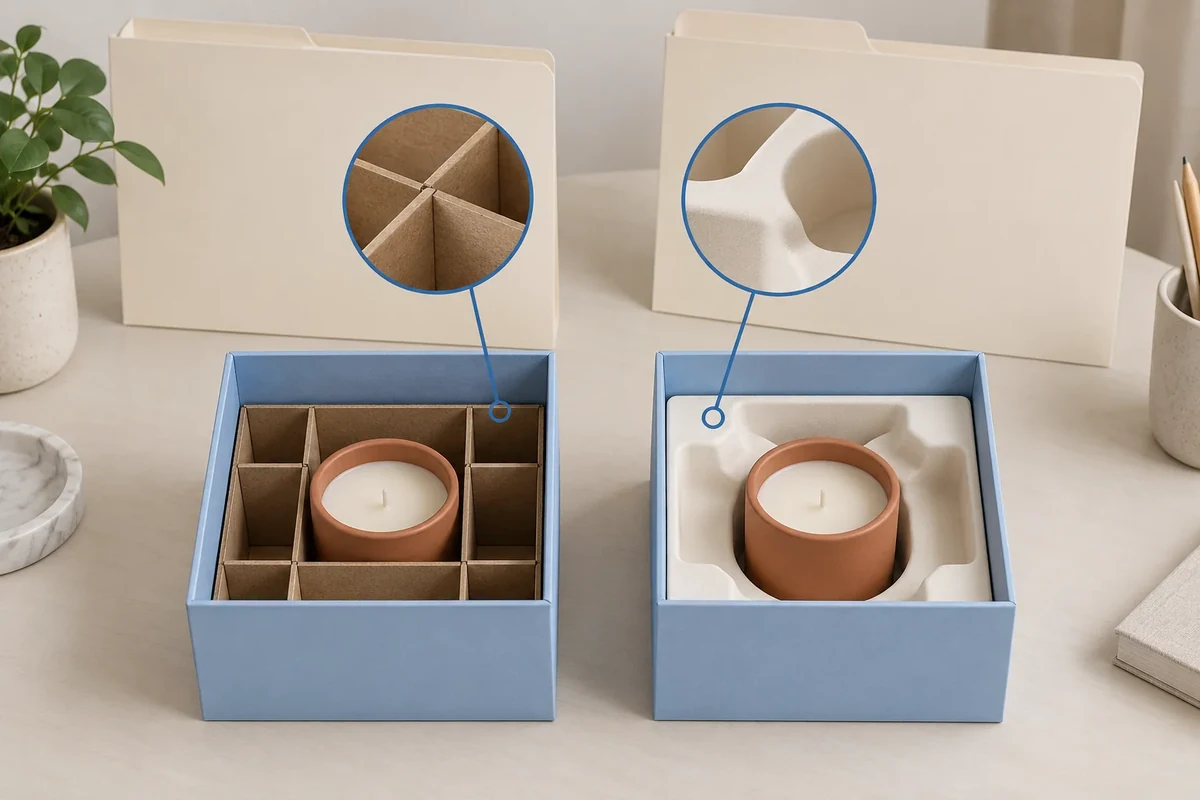
Match a test report’s actual specimen and method scope to the complete product and packaging configuration being ordered. Record differences rather than treating a familiar supplier name or box photograph as equivalence. A genuine report can still leave the current order’s applicability unresolved.
If the report leaves the specimen unclear, first define the complete arrangement using Packaging Distribution Tests: Define the Packed System. Then compare that identified packed system with the report specimen before deciding which existing evidence applies.
This tool creates a cross-reference for responsible review. It does not authenticate a document, certify a product or declare that a configuration passed testing.
Identify the report and its specimen
Record the report source, identifier, date and stated method. Ask for the actual specimen description and component identities it covers. Preserve the original document through the authorized project process.
ISTA’s procedure overview shows that evaluation scopes differ. Use the actual report and responsible reviewer for its applicability; a public overview cannot settle an individual document’s meaning.
List the current ordered product and all packaging components separately. Include closures, holders and outer-pack configuration. A matching outside carton size can coexist with different contents or materials.
Use the reorder checklist for wider version control. This map narrows the task to report/specimen/current-order relationships.
Map matches, differences and unknowns
For each relevant field, record what the report says and what the order says. Use confirmed match, difference or unknown as statuses with evidence attached. Do not fill a missing report detail from a sales claim.
Ask the responsible source which differences require further review or evidence. The buyer’s map makes those differences visible without prescribing their technical significance.
| Applicability field | Report specimen | Current order | Status/response |
|---|---|---|---|
| Product | Stated identity and version | Ordered identity and version | Match/difference/unknown |
| Retail pack/holder | Reported components | Ordered components | Located differences |
| Outer pack/closure | Reported construction | Current proposal | Relevant source review |
| Method scope | Named actual method | Intended objective/route | Responsible applicability response |
| Result evidence | What the report states | Decision it is asked to support | Scope not expanded |
| Open item | Missing report detail | Missing order detail | Owner and next evidence |
A match in one row should not convert all rows to accepted. The final applicability conclusion belongs with the responsible reviewer and its actual evidence.
Follow a hypothetical changed holder
Suppose a brand receives a report for an earlier gift-pack system. The current order uses a revised inner holder while the outside carton looks similar. The map records the holder difference instead of calling the system unchanged.
The source is asked whether that difference affects the intended use of the report. Until a responsible response and any required evidence exist, the current holder row remains open.
If the report’s specimen details are incomplete, record that gap. A product photograph can help locate a question but cannot replace the missing configuration description.
Ask what the document actually covers
A specific request is: ‘Please confirm the applicability of report TR1 to current holder H2 within system PS2.’ It gives the source the document and changed interface. A generic claim that the packaging is tested does not answer it.
Keep authentication, method interpretation and order matching as separate review tasks if required. None is established by this worksheet alone.
After a later order change, update the map rather than reusing its conclusion automatically. The report can remain valid as a document while its relevance to the revised configuration needs another review.
Send the matched configuration record
Bring the authorized report reference, current component identities and difference map through Packrivo’s enquiry. The next response should name what the document can support and which actual gaps remain, without expanding its result to unrelated orders.
Keep same, different and unknown in separate rows
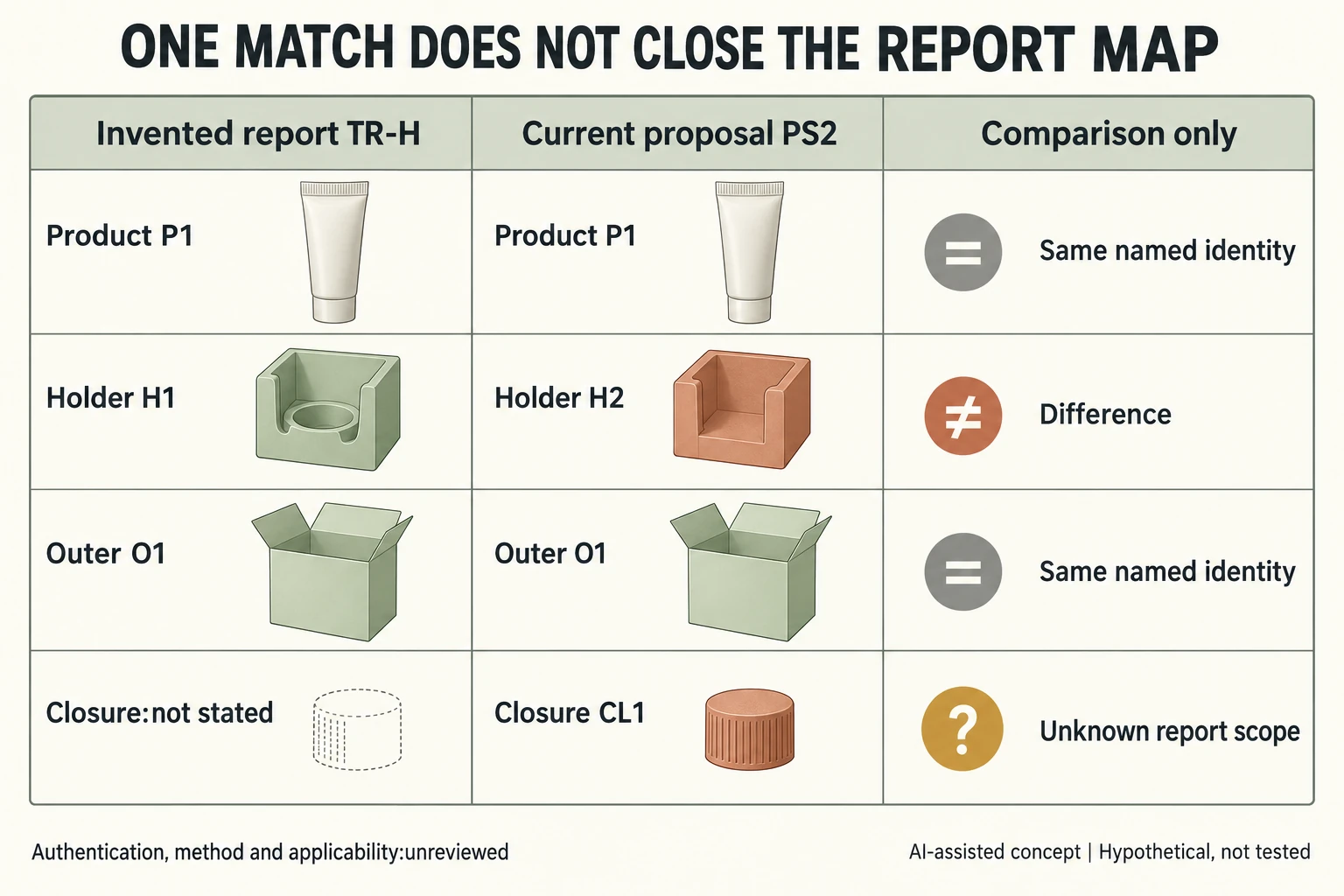
Imagine report TR-H names product P1, holder H1 and outer O1, while current proposal PS2 names P1, H2, O1 and closure CL1. The invented report omits its closure detail. These are fictional comparison inputs, not an authenticated report or an order accepted for production.
Scroll horizontally if columns extend beyond the view.
| Field | TR-H description | PS2 proposal | Comparison only |
|---|---|---|---|
| Product | P1 | P1 | Same named identity by premise |
| Holder | H1 | H2 | Difference |
| Outer | O1 | O1 | Same named identity by premise |
| Closure | Not stated | CL1 | Unknown report scope |
| Method/result | Not supplied here | Current decision needed | No applicability conclusion |
Two same-name rows do not cancel the holder difference or fill the closure gap. Ask the report source or responsible technical reviewer what evidence would establish the relevance of TR-H to PS2. No automatic retest rule or applicability approval is inferred.
The symbols are generic, not actual specimen drawings or verified closure methods. Preserve the real report's stated method, specimen and results when available, and retain source responses under their dates. Authentication, technical interpretation and configuration matching remain separate tasks. The CSV's actual document, response and reviewer fields are empty; this matrix cannot convert a genuine but differently scoped report into evidence for the current configuration.
Download the packaging test report applicability record (.csv). HYPOTHETICAL rows are invented examples. Use ACTUAL_BLANK for permitted project inputs; replace that row label only when recording actual facts. Empty evidence, observation and date fields mean unknown or not performed, never acceptance. Keep checkpoints and revisions separate.
Send the authorized report reference, current component identities and the specific differing or unstated rows for responsible review. Packrivo coordinates independent suppliers. These records establish no supplier offer, service availability or MOQ exception; its published baseline is 500 pieces per product/design.