
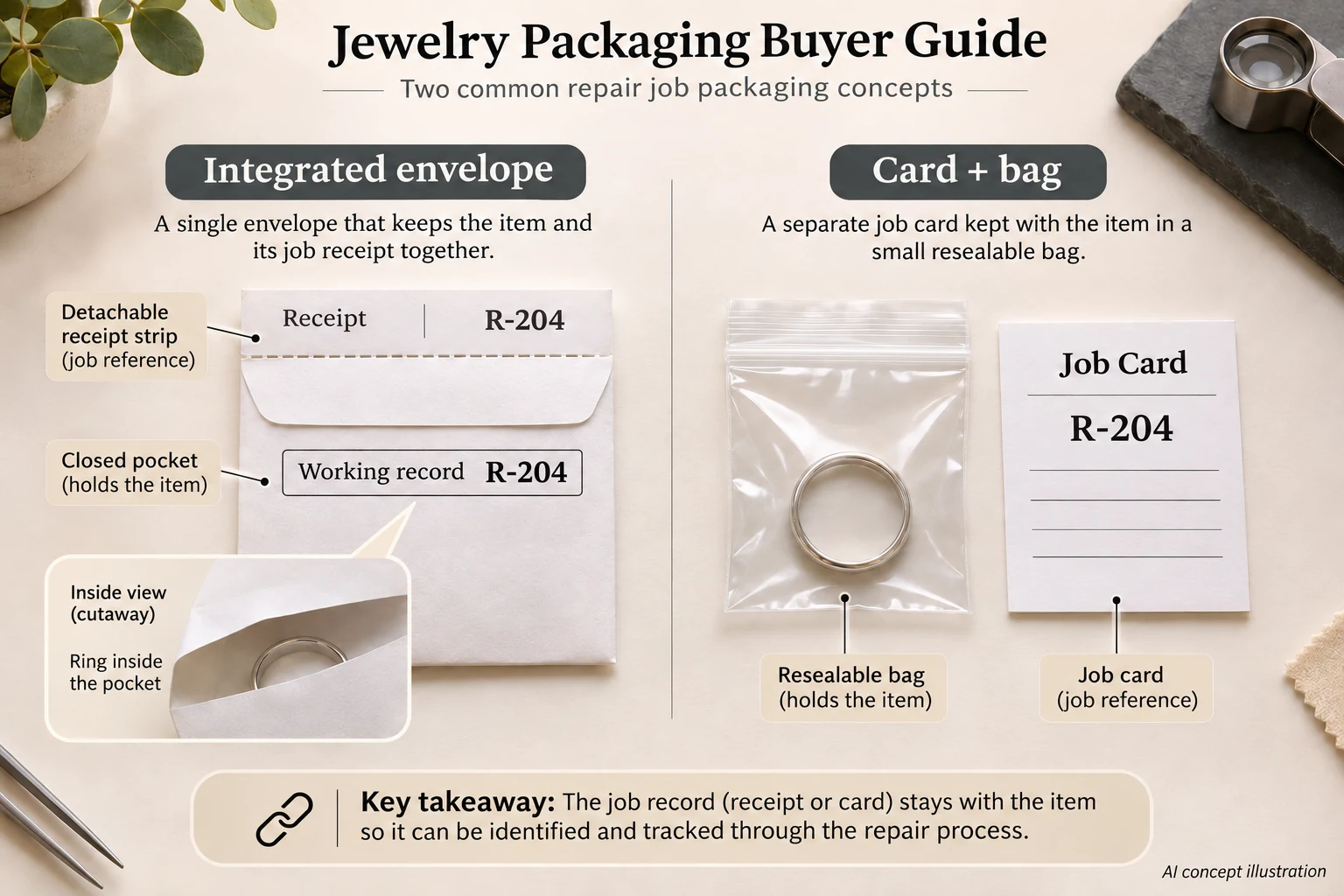
Choose jewelry repair envelopes by deciding which record stays with the piece after the customer leaves. An integrated job envelope keeps the pocket and working record in one unit. A separate repair card and resealable bag let you replace the bag without replacing the form, but the two components need a reliable way to travel together. Check that physical relationship before ordering printed stock.
AI concept comparing an integrated repair envelope with a separate card and bag.
For a jewelry brand adding repairs or resizing to its service, the buying decision extends beyond putting a logo on a small bag. The intake container must suit the items accepted, the records staff use and the components returned to the customer. The examples below are proposed buying checks, not results from a Packrivo repair operation.
An integrated envelope suits a record that travels as one unit
Buy an integrated repair envelope when the working record should remain attached to the jewelry pocket throughout the job. Ask for a sample showing the complete pocket, closure and any detachable receipt before approving the printed form.
This is an established packaging format. Jewelers of America describes both repair envelopes and repair cards used with reusable zipper bags. That distinction supports comparing the constructions; it does not establish which one fits your service or which forms Packrivo can source.
Trace the paper after each intended tear. A customer stub may leave the counter, while a working section remains with the pocket. If an order reference appears only on the part being removed, the remaining container needs another approved identifier. Check the actual sample rather than inferring the layout from a supplier’s front-view image.
A printed stock number and a customer job number also have different purposes. The first may identify the stationery product; the second identifies a repair. Tell the printer which fields are fixed artwork, which are supplied numbering and which staff complete later. Leave customer details and policy wording to the business responsible for the service.
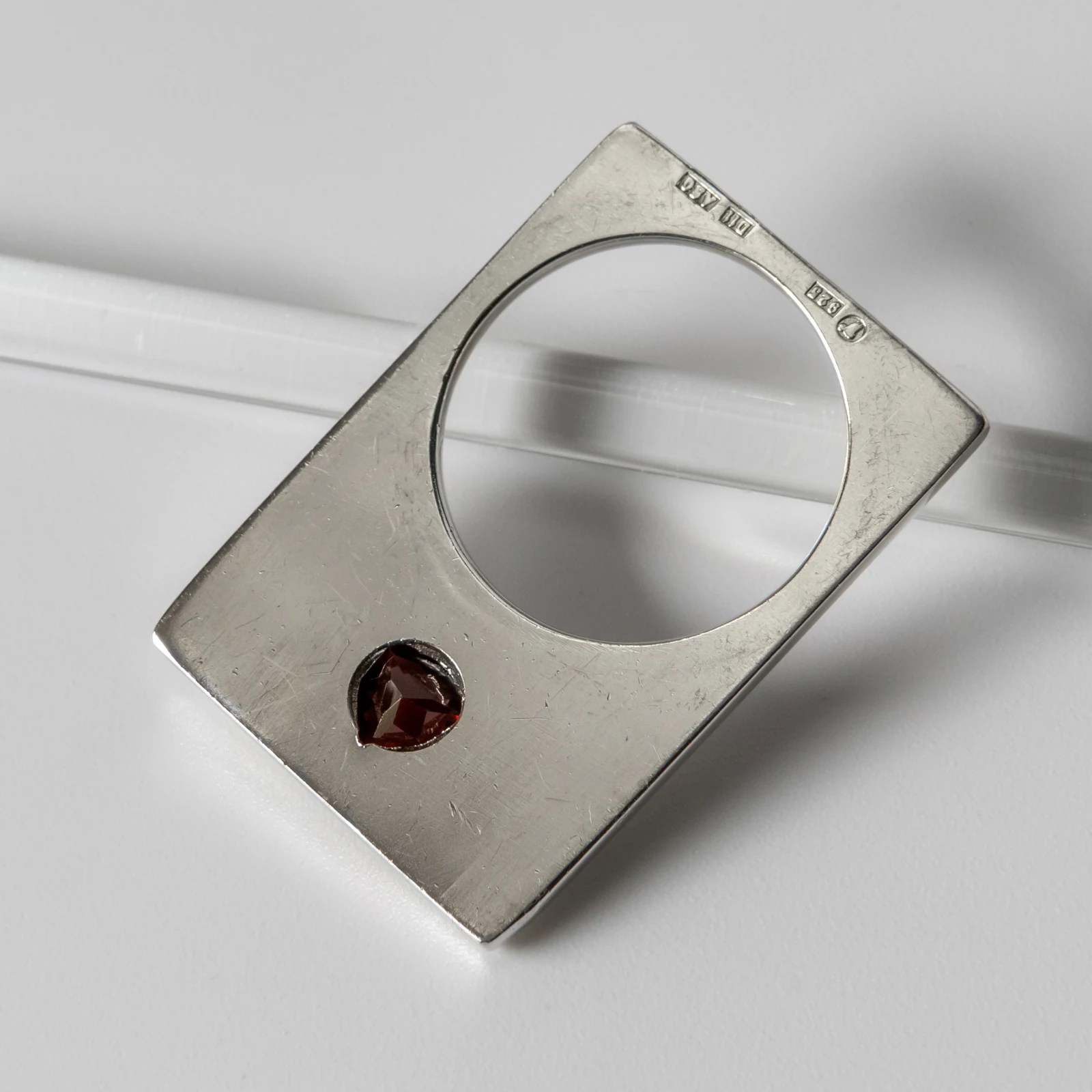
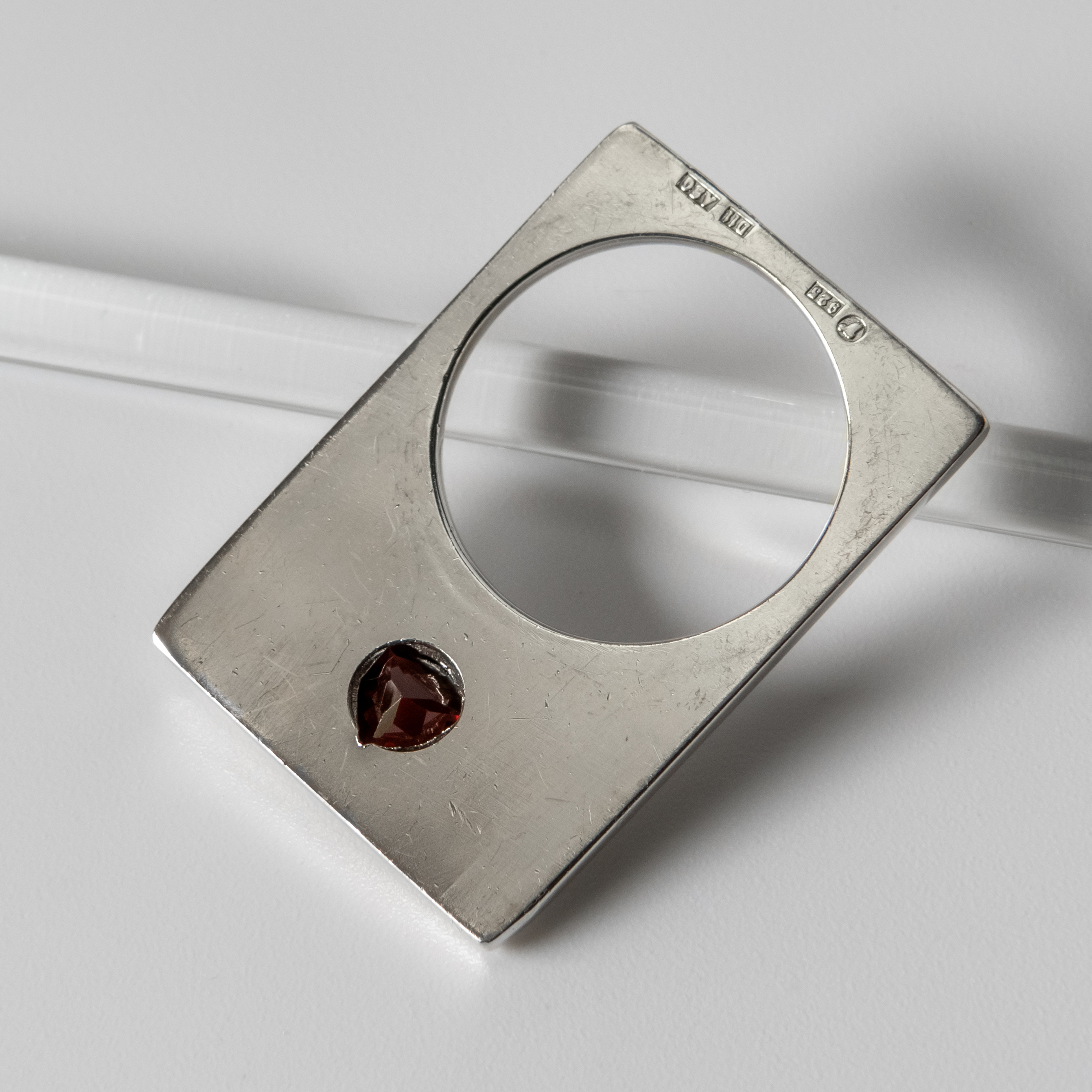
Photo: Ann-Sophie Qvarnström / W.carter, CC BY 4.0; resized and re-encoded for web. This derivative is also offered under CC BY-SA 4.0. Full original reference photograph.

A separate card and bag suit replaceable components
Choose a separate repair card and bag when you need to change the container while retaining the job record. Confirm how the card stays associated with the bag during storage, handoff and any change of bag.
For example, a shop might receive a ring and later need a larger container for the same job. A separate card can remain the working record while the container changes. This is a hypothetical workflow choice, not evidence that one bag size accommodates every ring or that a card system prevents mix-ups.
Request the card and bag as two specified components. The card must fit its intended position without folding over a closure or obscuring the part staff need to read. The bag must accommodate the actual piece and any appropriate separation materials. Decide whether the card sits inside a separate sleeve, is attached outside, or travels in another approved holder.
A transparent bag makes contents visible, but it does not answer material compatibility or protection questions. Avoid treating visibility as proof of suitability for a soft finish, a protruding setting or long storage. The responsible jeweler should confirm the contact arrangement for the actual item.
Order the pocket around the accepted jewelry and its companion parts
Specify the container using the largest accepted loaded arrangement, including any separately contained parts that must stay with the job. Jewelry type alone is too broad to determine a useful bag or envelope size.
Start with the real acceptance scope. A plain band, a raised setting and a pair of earrings with separate backs create different loaded shapes. Record the dimensions and projections of representative items, then show how the proposed closure operates with the contents in place. Do not force the piece against the opening to make an undersized sample appear usable.
When a job produces a detached component, decide whether it needs its own identified inner container. A loose earring back beside a larger piece may need a different arrangement from an intact pair. This article does not prescribe a container for loose stones or a workshop handling method; those decisions belong to the responsible jewelry professional.
Keep the old presentation box separate in the brief if it is accepted with the repair. Buying a larger job bag merely to surround an existing gift box can change the needed stock range. Describe whether that box remains with the job, is stored separately, or is returned at intake under the seller’s approved process.
Compare complete purchasing units before comparing prices
Compare repair packaging offers on the same component scope: pocket, card, detachable copies, numbering and printing. A price for empty bags cannot be compared directly with a price for assembled, numbered job envelopes.
| Buying choice | Integrated envelope | Separate card and bag |
|---|---|---|
| Working record | Confirm the record remains on the pocket after receipt removal. | Specify the physical card-to-bag association. |
| Numbering | Check which retained and removable sections carry it. | Define which components receive the supplied reference. |
| Container change | Decide how the working record transfers if the envelope is replaced. | Check the replacement-bag handoff with the retained card. |
| Delivered unit | State whether copies and detachable sections arrive assembled. | List card and bag quantities separately. |
| Artwork approval | Review the full layout and tear positions. | Review card layout and the agreed label or holder positions. |
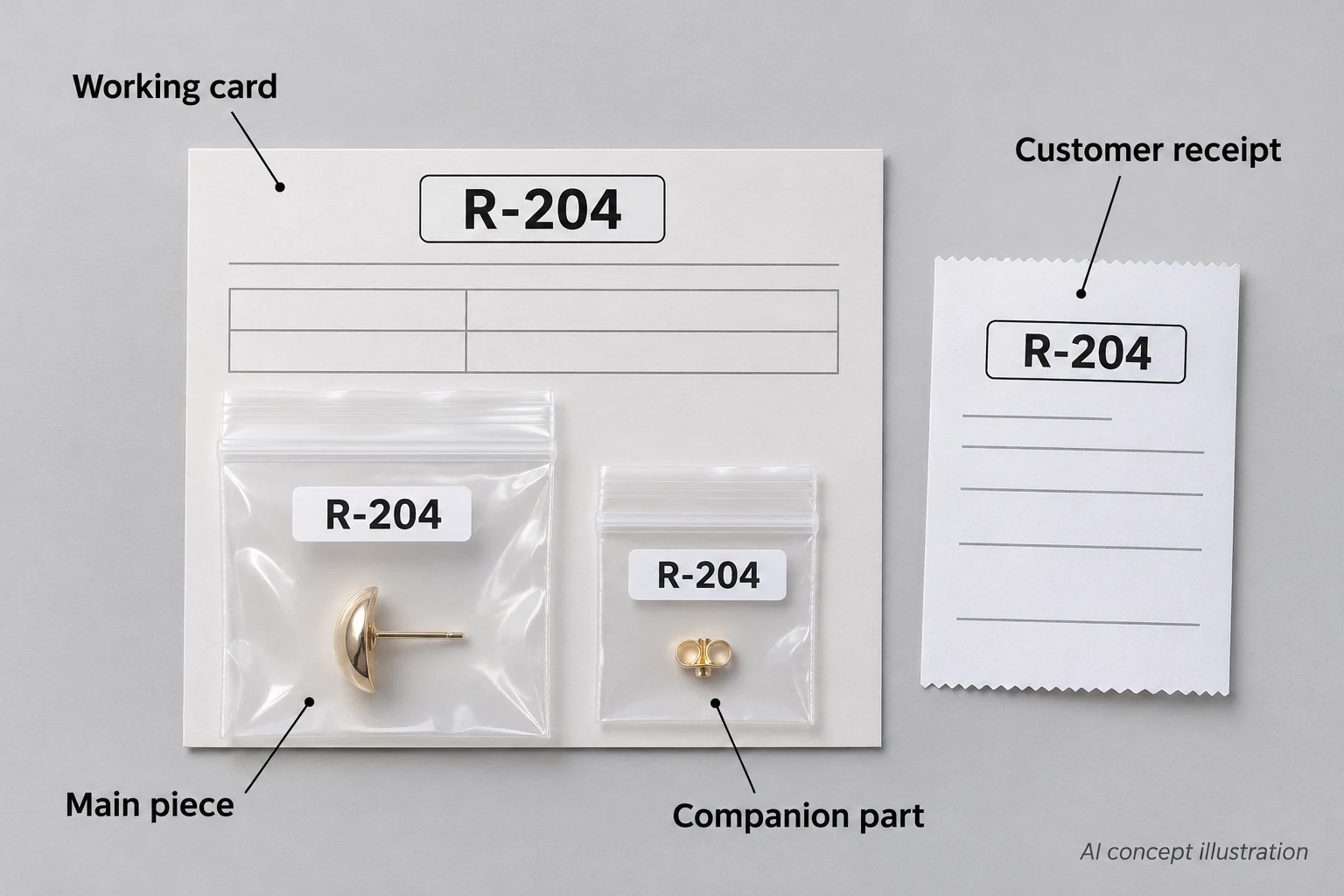
For illustration, one job might require one main container, one working card and one small companion bag. Those are three components for one job, not three customer orders. Use actual component demand when requesting quotations; the example is not a recommended stock ratio.
Ask whether samples, printing setup and supplied numbering are included in the quoted scope. Leave quantities, prices and delivery dates open until the responsible supplier confirms them. A cheaper headline price may simply cover fewer components.
Review the sample through receipt removal and return
Approve the proposed repair packaging only after reviewing a loaded sample through its intended opening, receipt removal, storage and customer-return states. An attractive printed front does not show what remains after the form is divided.
Use fictional information in the sample review. Give a main container and any companion container the same example job reference, then remove the customer portion as intended. Check that the retained record remains readable and that a colleague can associate each physical component with that job without guessing from appearance.
Next, open and close the loaded sample as the proposed process requires. Note interference with the item, the record or the closure. Record what was observed and which questions remain open. A successful desk review does not establish transport protection, material compatibility, security performance or an error-free repair process.
The working container and final gift presentation may be different purchases. If the repaired jewelry will be returned in a new box, specify that box separately. The packaging sample checklist helps separate sample observations from remaining approvals, while the supplier brief guide helps keep the component scope explicit.
Prepare a jewelry repair packaging brief with clear boundaries
Send the accepted jewelry types, loaded arrangements, record layout and component quantities together when asking about repair packaging. This gives a sourcing discussion a defined physical task without inventing a service policy.
State whether the request concerns integrated envelopes, separate cards and bags, or samples of both. Include approved artwork, numbering needs, intended storage and handoff, destination and the questions the sample must resolve. Ask the supplier to confirm the available construction and complete delivered unit.
Keep intake declarations, customer permissions and legal terms under the seller’s own review. The existence of an association’s repair form does not authorize copying its language or establish that another form is legally adequate. Likewise, a repair job envelope is not, by itself, a complete postal shipping pack.
Discuss your jewelry packaging components with Packrivo using the actual item types and proposed record arrangement. Availability, sample scope, contact materials and commercial terms need confirmation for the project.