
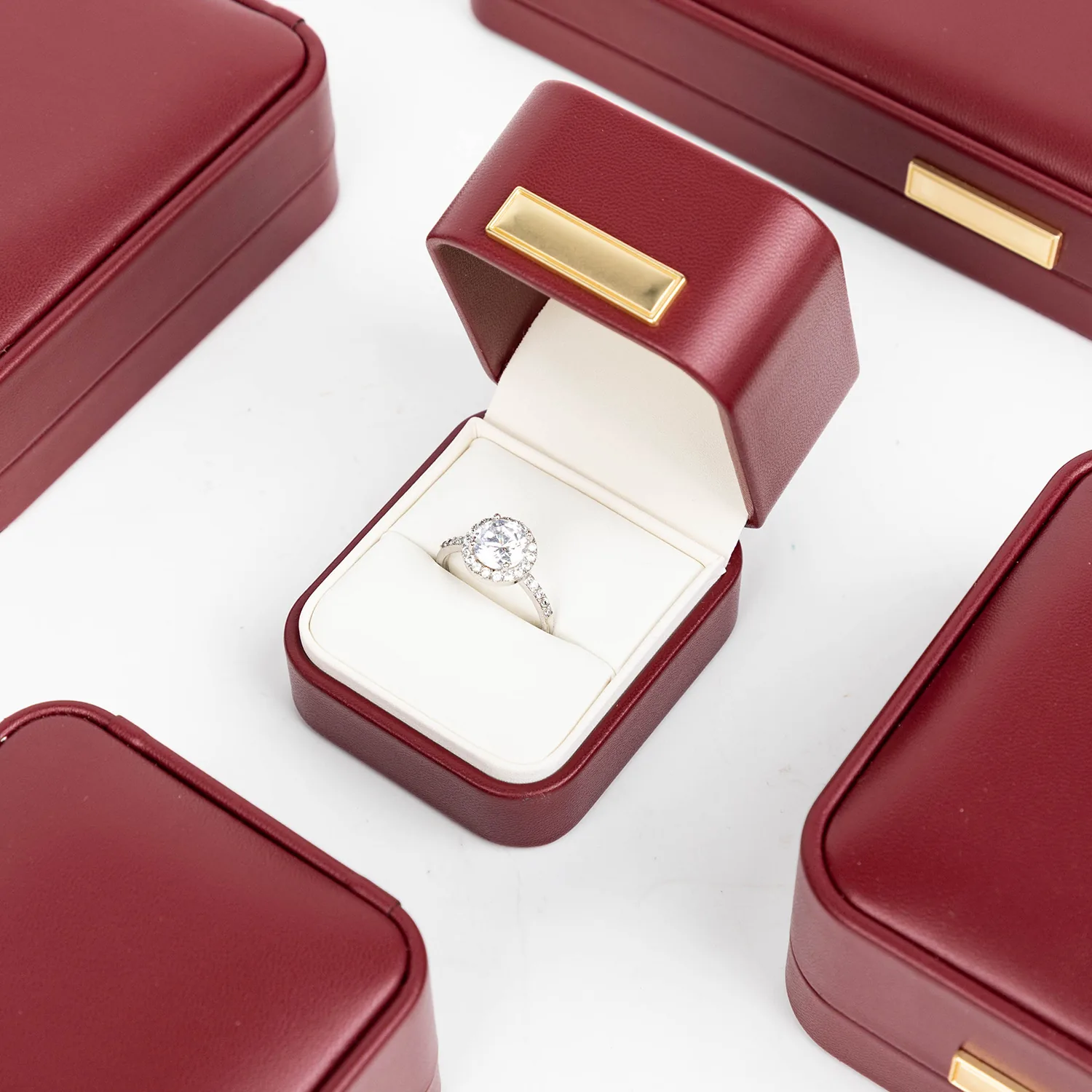
A proposal ring box has a job before the ring is revealed: it must suit the planned carry and opening sequence. Keep a standard gift box when that sequence works. If concealment requires a separate slim box, decide who transfers the ring and whether the customer also receives the original presentation box.
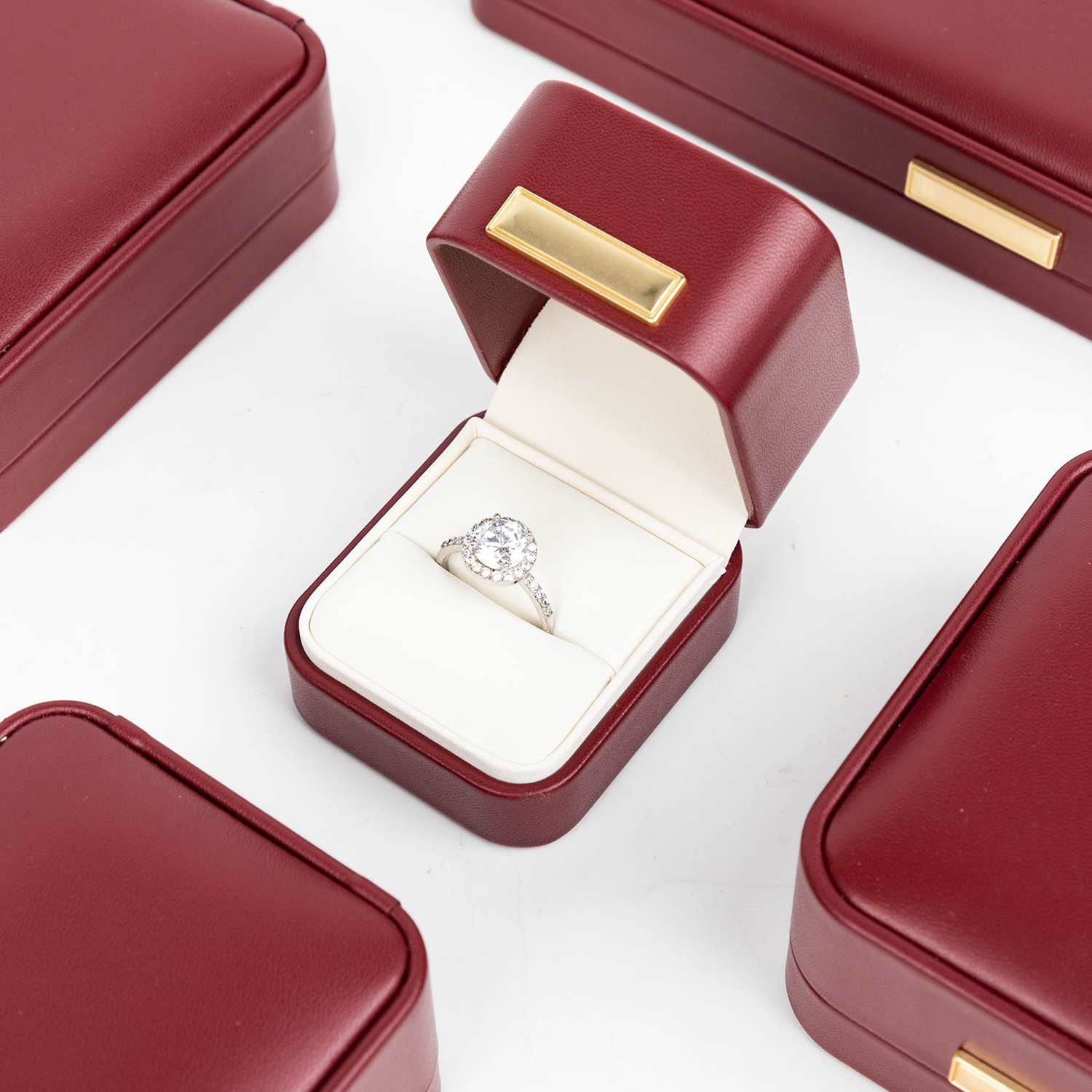
Authorized supplier reference photograph: a conventional ring presentation. No pocket-fit, one-handed-opening or sample performance claim.
Full original reference photograph. Supplier and third-party photographs are references, not Packrivo samples; teaching concepts are visibly identified.
Write the proposal-day sequence before ordering a new box
For a jewelry brand, the starting question is not simply whether a slim engagement ring box looks appealing. It is whether the packaging supplied at the counter supports the customer's intended proposal. A box chosen for a display case may have a different role from one carried discreetly before the moment.
Ask what the customer intends to carry, where the box will be kept, and how it will be taken out and opened. Do not assume that every customer wears the same clothing, has the same pocket, or intends to open the box with the same hand movements. A compact label does not settle those details.
The purchase decision can therefore begin with an ordinary box. If the actual ring fits, the intended carry is acceptable, and the opening action works, a second box has no established purpose. Keep it as a candidate only when it answers a specific requirement that the current box does not.
Gunther Mele's Ring Stash listing describes a pocketable engagement ring box with a moving ring clip and a separate sleeve packer. That shows a real product direction addressing concealment and reveal. It does not establish that Packrivo supplies that mechanism, that it fits every ring, or that another slim-looking box operates in the same way.
Treat the holder as part of the purchase
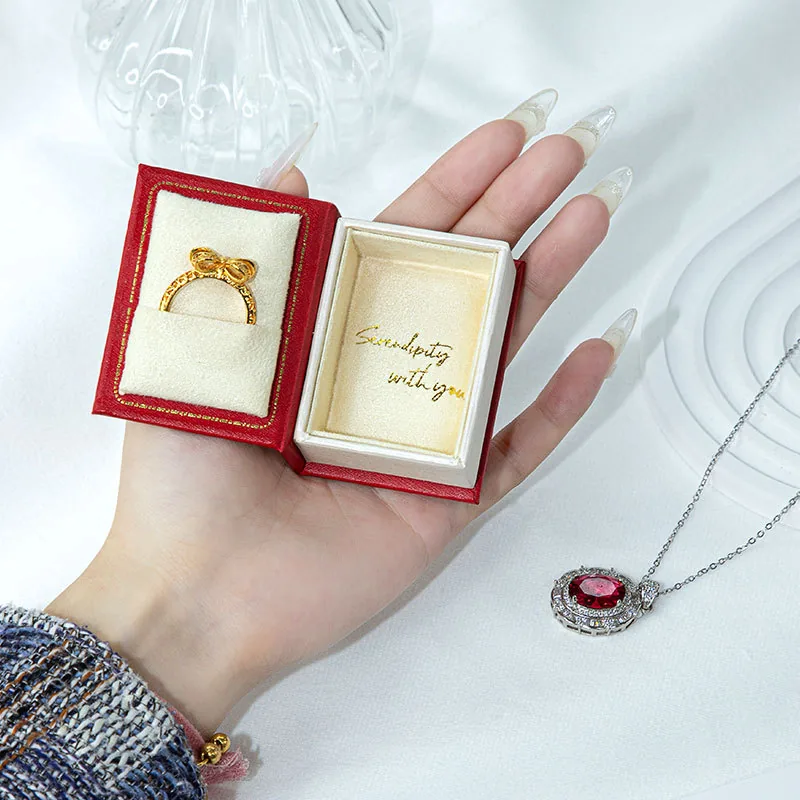
A thin exterior can conceal a very particular internal arrangement. A ring held upright in an ordinary slot and a ring presented by a moving clip should not be compared as though only the outside thickness changes. Ask for the actual holder, the ring's resting position, and the movement during opening.
Identify the complete ring, including the setting, band, and any projecting detail. Neither finger size nor stone weight alone describes that envelope. The jewelry box measurement guide explains why the installed position and available space need named references.
The Ring Stash product information publishes model-specific ring limits and different holder sizes. Those restrictions are useful evidence that a specialized proposal box is not universal. Use the supplier's current specification and the actual ring; do not transfer that model's limits to a custom design or use its dimensions as a default brief.
Loading also matters. Ask whether the jeweler can load the ring at handoff, whether the customer must change holders, and what instruction accompanies the product. A presentation idea that depends on an unexplained transfer creates a task for the customer even if the exterior appears simple.
Choose one clear handoff instead of an ambiguous extra
A brand can investigate three offers. The existing gift box may remain the only box. A slim proposal box may replace it as the sole customer-facing container. Or the slim box may be supplied separately alongside the normal branded box, each with a named role.
That third offer needs a clear distinction: the proposal box is the object intended for the carry and reveal, while the normal box remains elsewhere for the purpose the brand has specified. Providing two boxes does not mean the customer is expected to hide one inside the other. If a nested arrangement is intended for the initial retail handoff, identify when the two are separated.
The general jewelry box and pouch handoff guide discusses what the recipient sees first. Here, the additional decision is the change between purchase and proposal: where the ring is placed at each stage, who moves it, and which box is carried.
Use a short sequence record rather than an unspecified “proposal kit”:
| Moment | Record the actual packaging state | Decision to settle |
|---|---|---|
| Jewelry-store handoff | Ring in its named box; any additional box identified separately | Who loads and verifies the ring? |
| Before departure | Ring retained in the selected carry box | Is a transfer required, and who performs it? |
| Carrying before the proposal | Only the intended carry components present | Does this configuration suit the actual planned location? |
| Taking out and opening | Box, holder and ring move through the intended sequence | Are the required grip and hand actions understood? |
| After the proposal | Ring and both boxes have named destinations | Is there an intended return to the normal box? |
This record defines the offer. It is not a safety certification or a report that the actions have passed a trial.
Rehearse the opening that the supplier actually designed
A customer should not discover an unfamiliar opening motion while making the proposal. Request instructions for the actual box and holder. Review removing it from the planned carry location, supporting it, opening it, and reaching the ring as one sequence, with the intended user.
Ring Stash's own published use instructions advise practicing and specifically say not to open that design one-handed. That is a limitation of the named design, not a universal rule for every proposal box. It illustrates why an attractive opening video cannot replace a supplier's instructions and an actual handling review.
If the customer requires a one-handed action, make that requirement explicit before selecting a mechanism. Do not claim it is supported simply because a box is small. A different design may deserve investigation, or the proposed use may need to change.
The ordinary jewelry box structure comparison remains useful for distinguishing what moves and what stays supported. A specialist proposal box adds its own holder behavior and sequence; those details should appear in the sample scope rather than being inferred from a general structure name.
A jeweler separates the carry box from the branded handoff
Imagine a fictional independent jeweler whose normal ring box works for a seated counter presentation. One proposed customer service is a discreet carry option for a customer who plans to keep the ring in a specified jacket pocket before presenting it. No real customer, accepted sample, or sales result is described here.
The jeweler first asks whether the normal box can serve that plan. In this invented brief, the customer does not want to carry its exterior shape. That creates a reason to investigate a slim box; it does not prove that any slim model is suitable.
The jeweler chooses to request a separate carry-box proposal while retaining the normal branded box in the retail handoff. The proposed service would have the jeweler load the actual ring, explain the opening, and have the customer review the handling before departure. The customer would carry the slim box alone, with the regular box kept separately.
The resulting purchasing sentence is specific: “Provide a separate proposal carry box for this actual ring, with its compatible holder and instructions. The normal branded presentation box remains a separate supplied item. Show the loading method and opening sequence before we accept this service.” The brand has defined a proposal to evaluate rather than promised a ready-made kit.
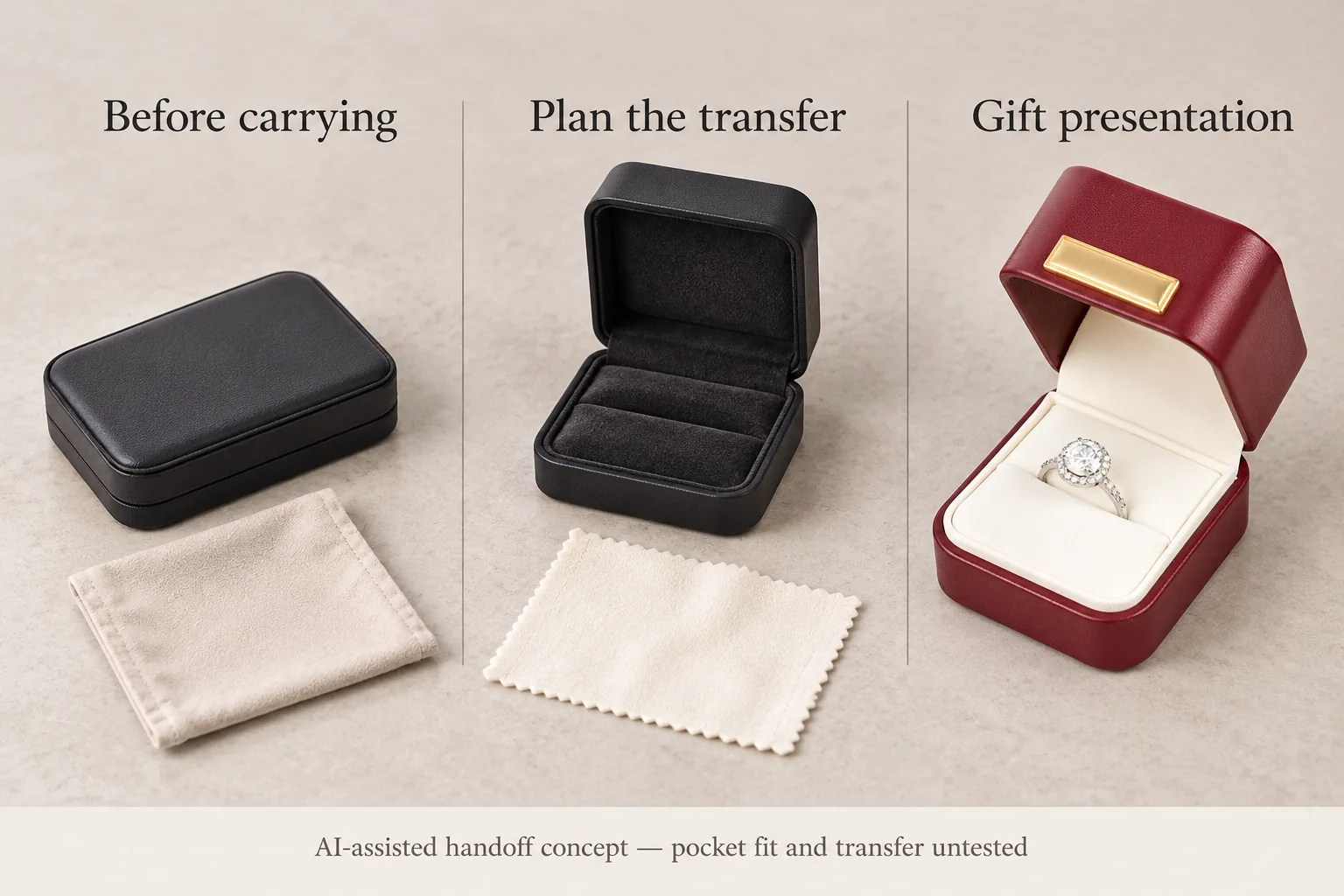
Before requesting the sample, the jeweler can now assign the five moments in the sequence: load at the counter, transfer only if needed, carry the designated box, use its instructed opening, and identify where the ring and boxes go afterward. Any unassigned transfer remains an open service decision. The slim box replaces the normal box only if that is the chosen sole-box offer; otherwise the purchase scope must name both, without implying either is already suitable for the ring.
Packrivo can coordinate the packaging questions with independent suppliers. Availability of a suitable mechanism, permitted customization, materials, samples and commercial terms remain project-specific. Discuss a ring packaging handoff with Packrivo, bringing the actual ring reference and the carry-to-opening sequence that the package needs to support.