MATERIALS & PRINT
OTR and WVTR Measure Different Barrier Questions
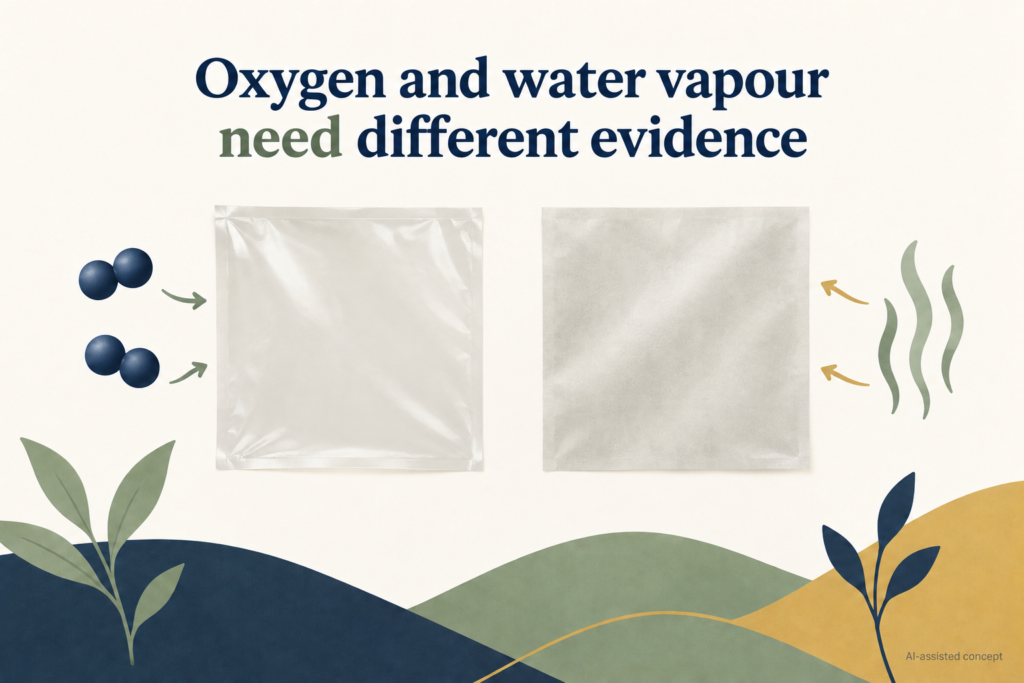
Name oxygen or water vapour and retain units and conditions before comparing packaging barrier data.
Journal · 349 articles
Supplier briefs, material notes and pricing explainers for small brands sourcing custom packaging.
MATERIALS & PRINT
Name oxygen or water vapour and retain units and conditions before comparing packaging barrier data.
MATERIALS & PRINT
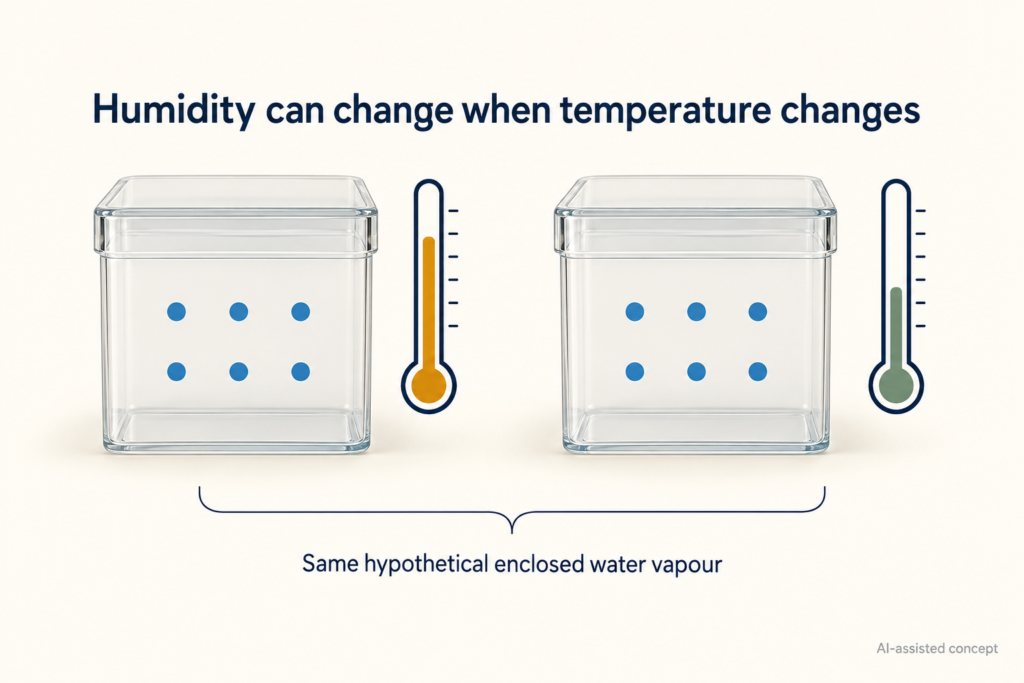
Use an invented gas/material water balance to distinguish redistribution inside a pack from net water ingress without predicting relative humidity.
MATERIALS & PRINT
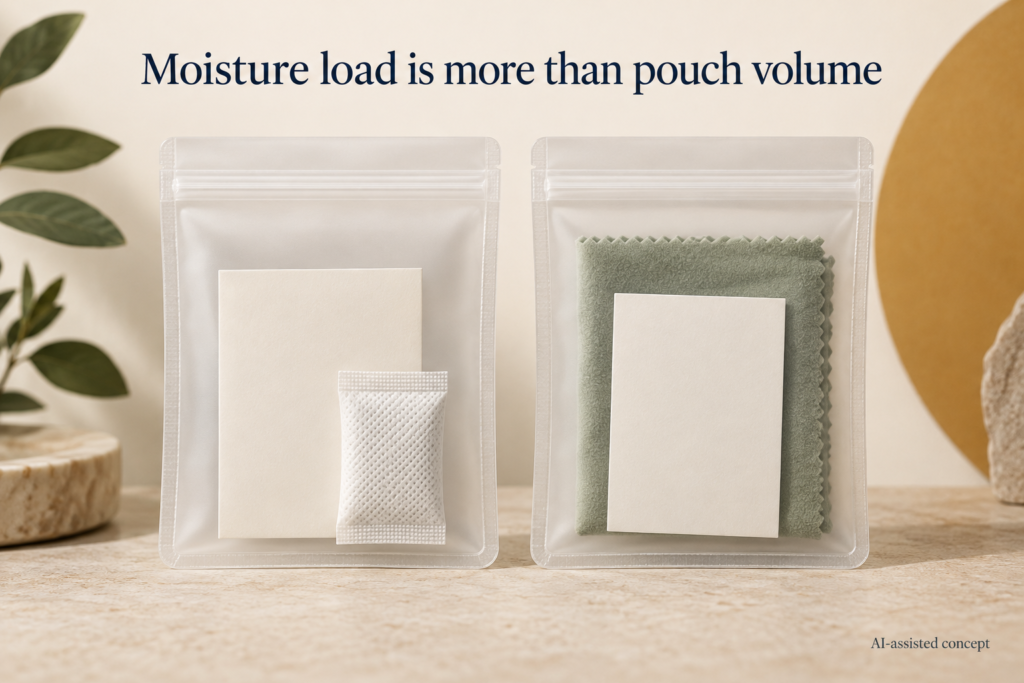
Count enclosed materials and moisture ingress over time as well as air volume when defining a desiccant job.
MATERIALS & PRINT
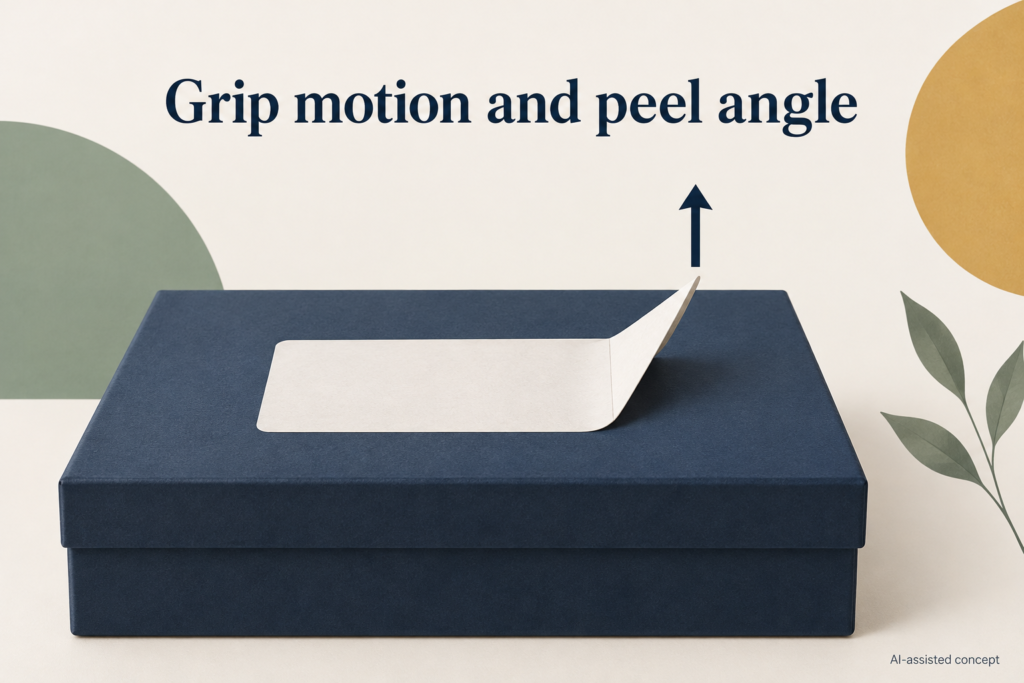
Check shared time and spatial references before combining grip and separation-front records; these two undocumented takes cannot define one geometry.
MATERIALS & PRINT
Compare invented acceleration ratios at two frequency conditions to distinguish amplification from the largest absolute product response.
MATERIALS & PRINT
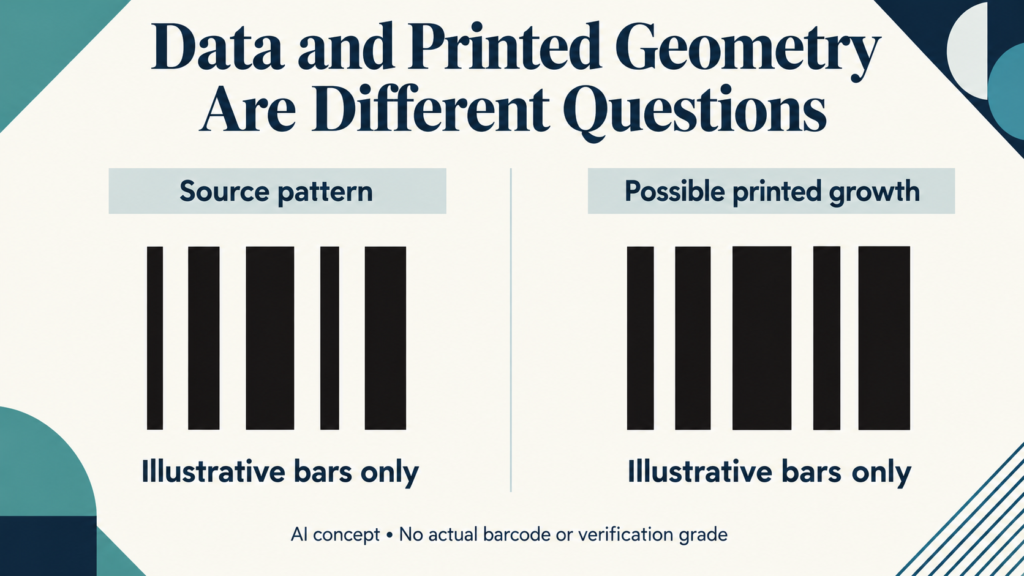
Keep approved barcode data separate from the process-specific bar-width compensation needed for print.
MATERIALS & PRINT
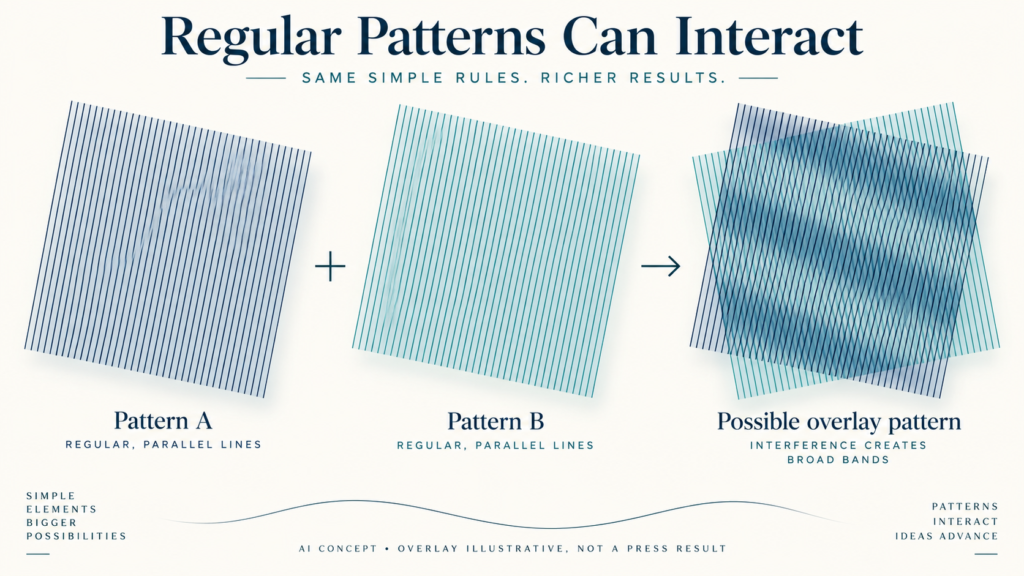
Use an abstract 5-and-6-unit alignment example to separate repeated pattern relationships from actual press settings or guaranteed moire.
MATERIALS & PRINT
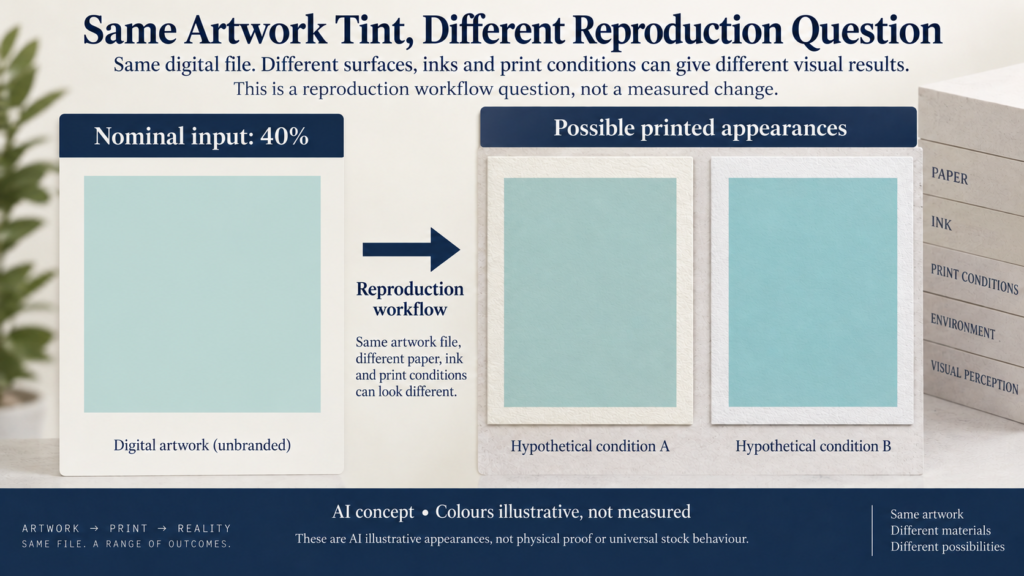
Use two invented tone-response points to distinguish percentage-point gain from a universal offset or press correction curve.
MATERIALS & PRINT
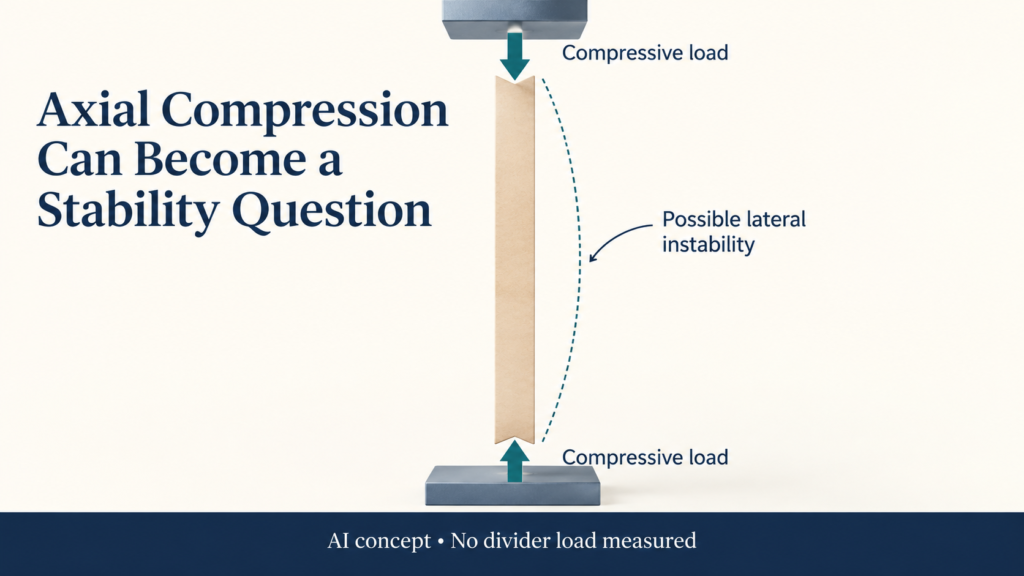
Locate the divider's load path and restraints before applying a board figure or prescribing thicker material.
MATERIALS & PRINT
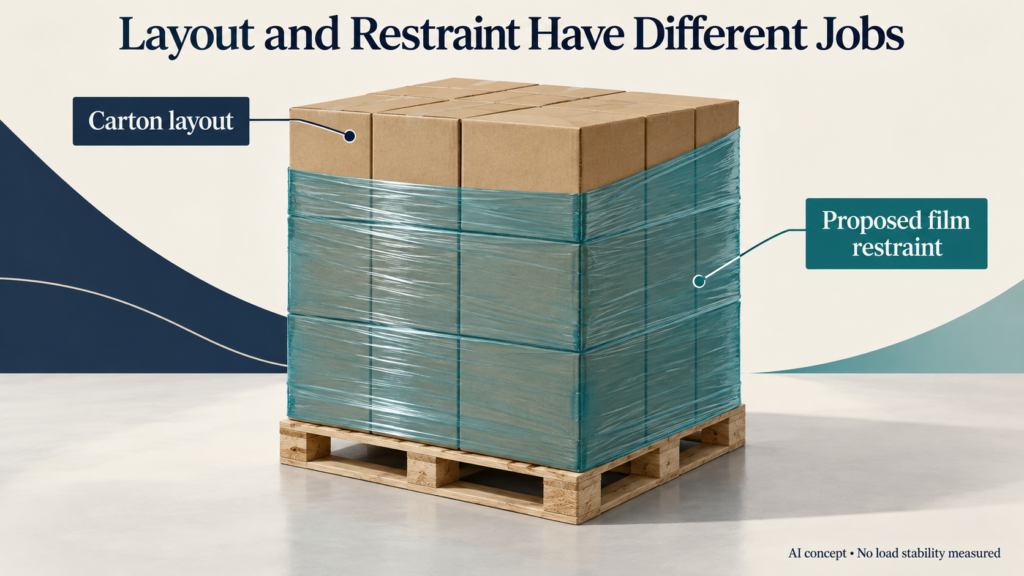
Compare the film's contact and applied state with the complete pallet load rather than relying on layer layout alone.
MATERIALS & PRINT
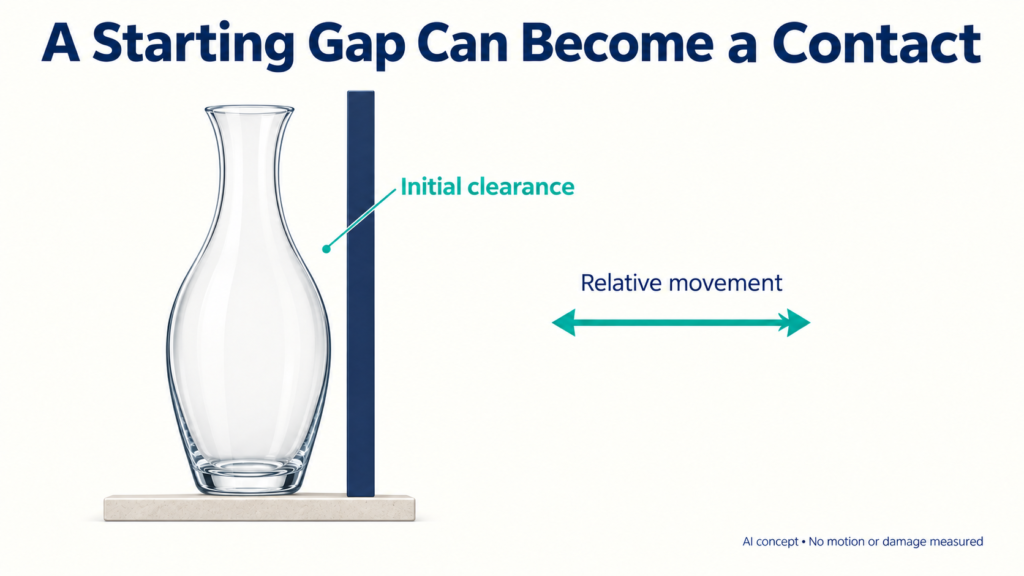
Treat static clearance and repeated movement as separate questions when a product can reach neighbouring parts.
MATERIALS & PRINT
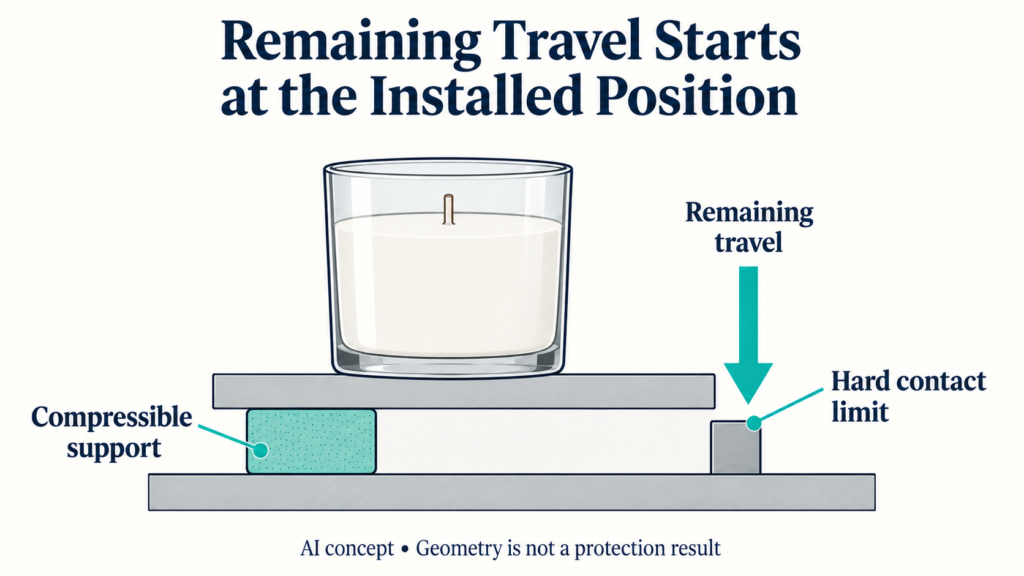
Assess remaining cushion travel from the installed state instead of relying on free-pad thickness or softness.