MATERIALS & PRINT
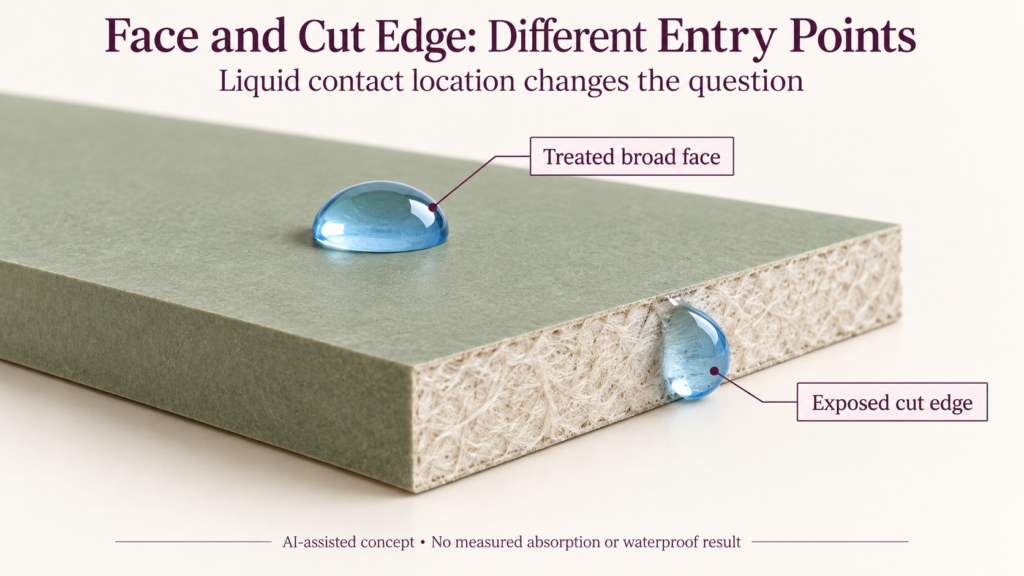
Paperboard Water Entry at Faces and Cut Edges
Locate plausible liquid contact on faces and cut edges before extending a face-absorption result to the sleeve.
Journal · 349 articles
Supplier briefs, material notes and pricing explainers for small brands sourcing custom packaging.
MATERIALS & PRINT
Locate plausible liquid contact on faces and cut edges before extending a face-absorption result to the sleeve.
MATERIALS & PRINT
Compare invented glass and sleeve surface temperatures with local dew point at named states, keeping condensation and leakage unresolved.
MATERIALS & PRINT
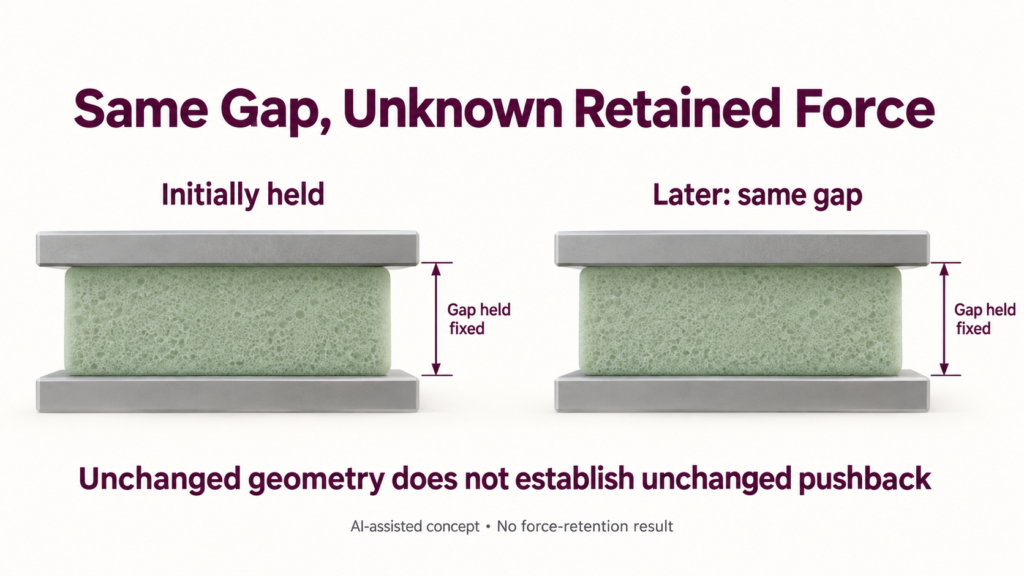
Calculate hypothetical held-force retention separately from unloaded residual height loss, without inferring foam lifetime or jewellery retention.
MATERIALS & PRINT
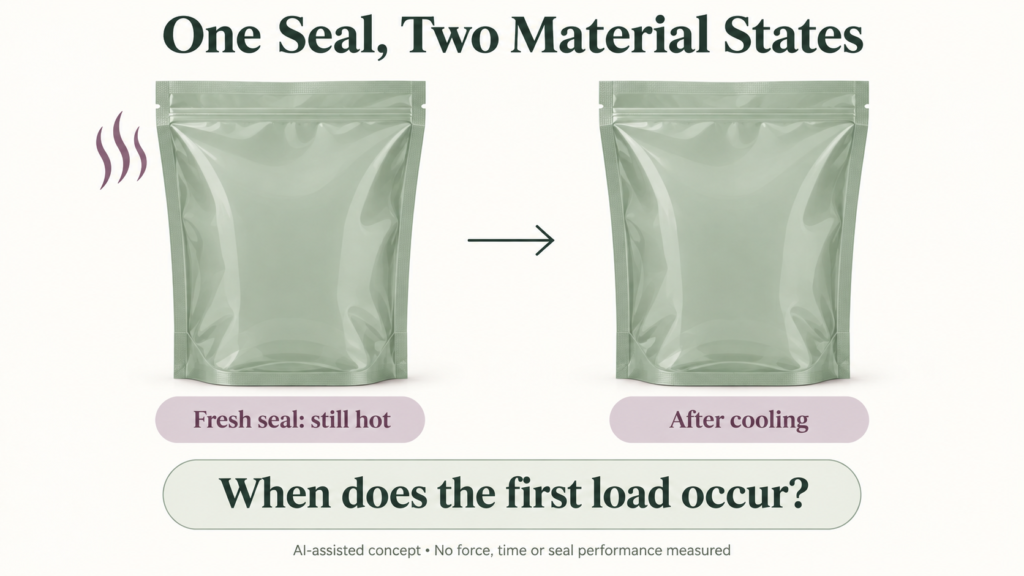
Match seal evidence to the hot early-load state or cooled handling state of the actual thermoplastic seam.
MATERIALS & PRINT
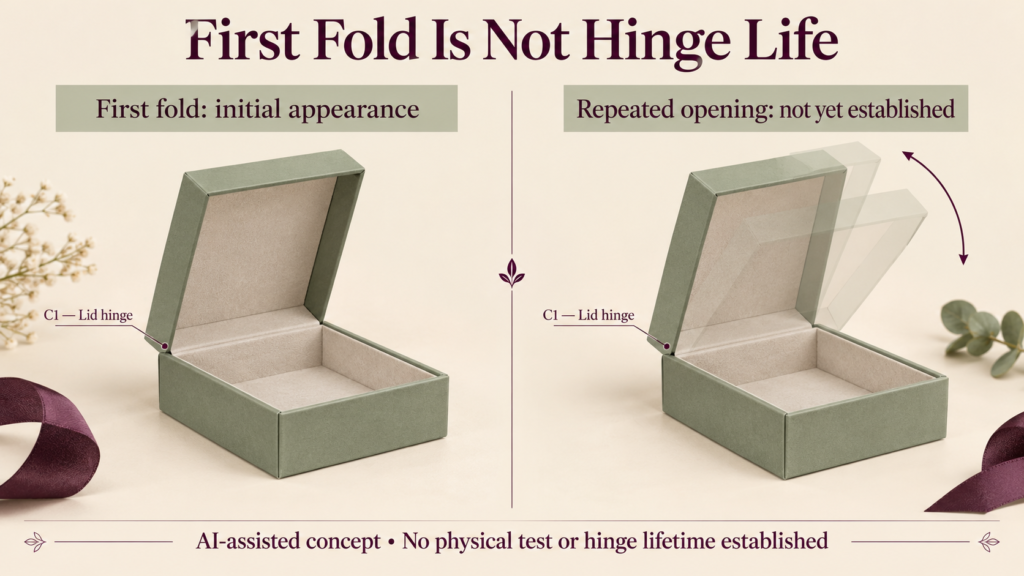
Review the finished hinge and actual opening route rather than converting a clean first fold into a life claim.
MATERIALS & PRINT
Separate light-induced print changes from viewing-light differences when a sleeve's colour changes after display.
MATERIALS & PRINT
Map an unbonded film pair and a possible adjacent tape-edge contact separately before attributing following motion to static or adhesive tack.
MATERIALS & PRINT
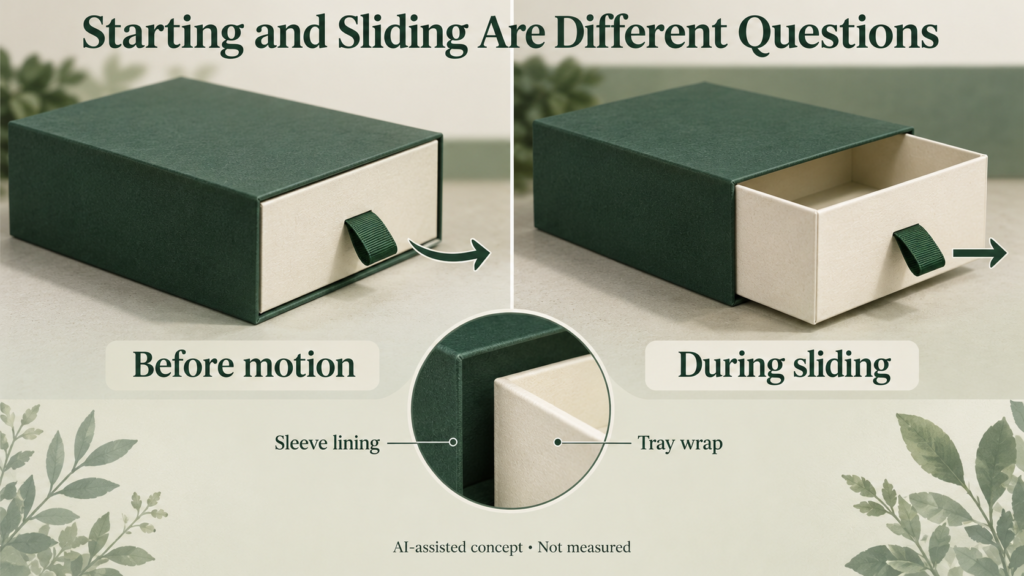
Distinguish the first pull from resistance later in travel when investigating a sliding gift box.
MATERIALS & PRINT
Review the complete two-sided card and backing before treating reverse-side show-through as ink transfer or low whiteness.
MATERIALS & PRINT
Check QR version and module pitch when data or correction settings change inside a fixed artwork area.
MATERIALS & PRINT
Evaluate the tag in the final material stack when foil, metal parts or jewellery are near its antenna.
MATERIALS & PRINT
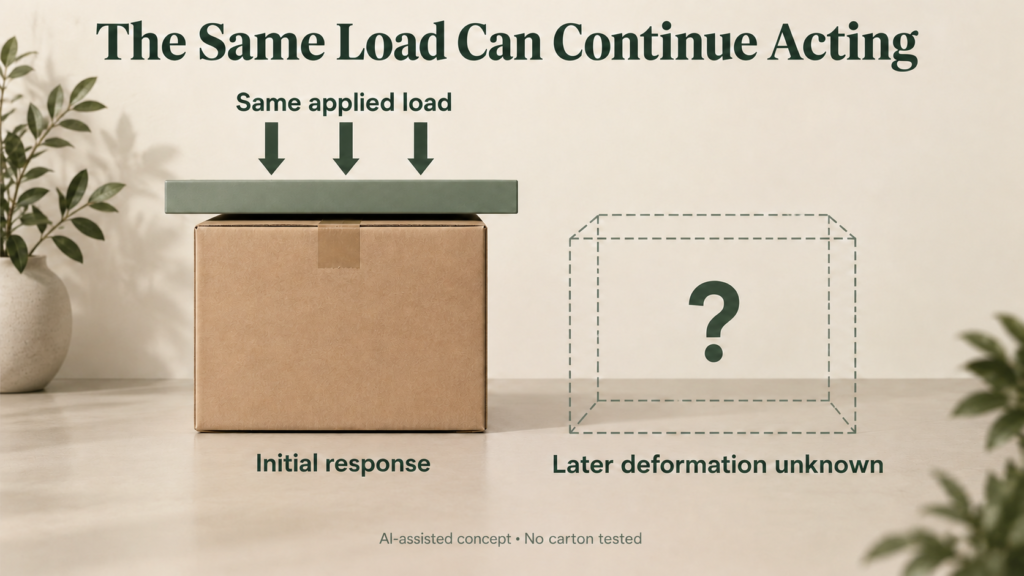
Separate hypothetical initial settling from additional shortening under constant load, retaining the unloaded reference and unknown future behaviour.