Concept render
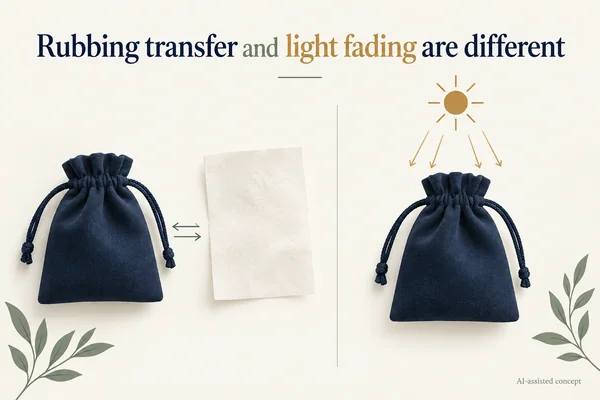
Fabric Pouch Dye Transfer or Light Fading
Separate rubbing transfer onto another surface from light-related fading of the pouch itself.
Read the article
Practical notes about formats, samples, materials, print and supplier-ready briefs for small jewelry, candle and gift brands.
Concept renders illustrate packaging decisions; they are not physical samples or completed customer projects.
Search by question or choose a topic.
Articles may appear in more than one topic.
130 articles · Showing 25–48 · Page 2 of 6
Concept render
Separate rubbing transfer onto another surface from light-related fading of the pouch itself.
Read the article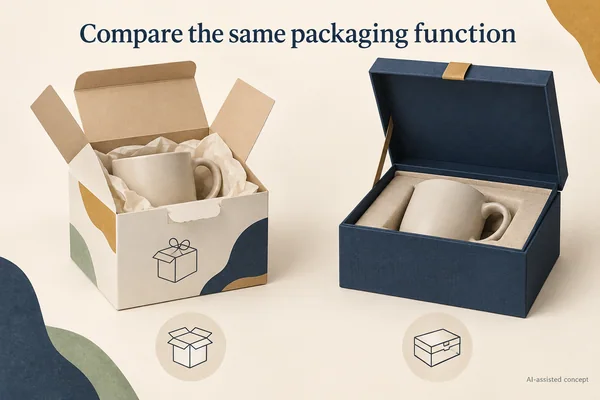
Concept render
Compare hypothetical single-use and returnable material allocations while keeping service life, outer packaging and life-cycle impacts separate.
Read the article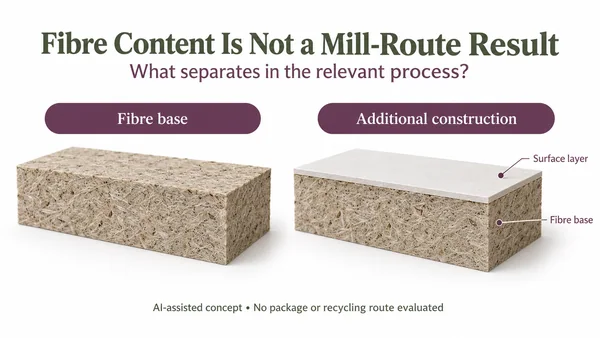
Concept render
Match a paper package construction to its repulping route and document stage, without equating recoverable fibre with collection or mill acceptance.
Read the article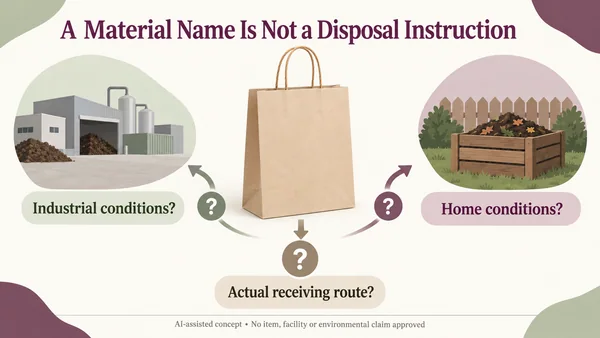
Concept render
Keep hypothetical facility availability and exact-item acceptance on the same route rather than combining unrelated partial answers.
Read the article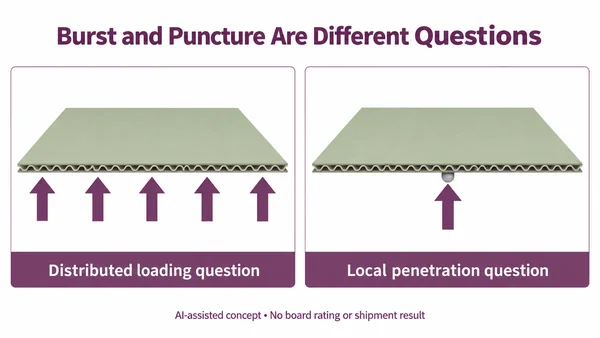
Concept render
Distinguish distributed pressure from local penetration before applying a board-strength result to a projecting product.
Read the article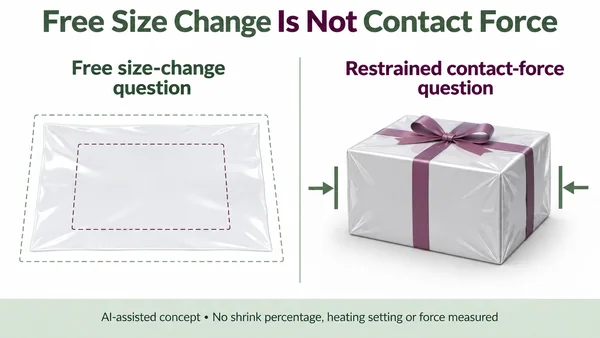
Concept render
Separate unrestrained shrink percentage from force when a loaded gift set constrains the film.
Read the article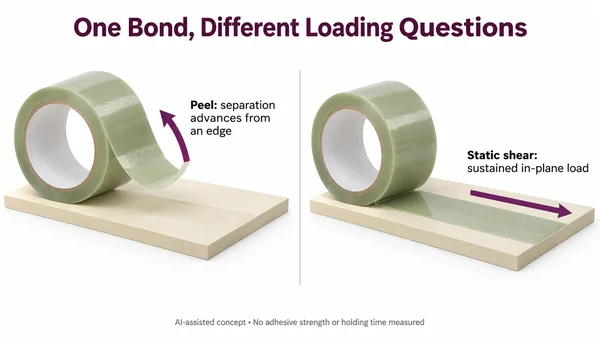
Concept render
Match tape evidence to peeling or sustained in-plane loading on the actual sleeve joint.
Read the article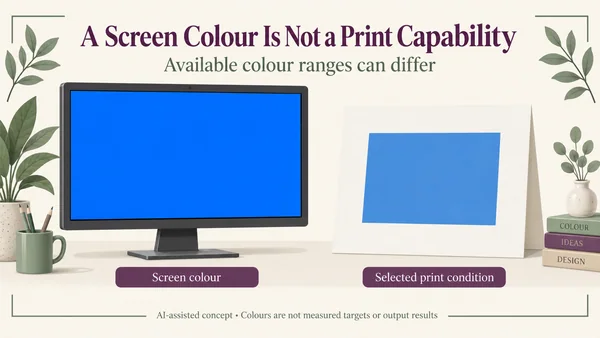
Concept render
Keep an RGB master separate from output-specific conversions instead of assuming a second conversion restores the original appearance.
Read the article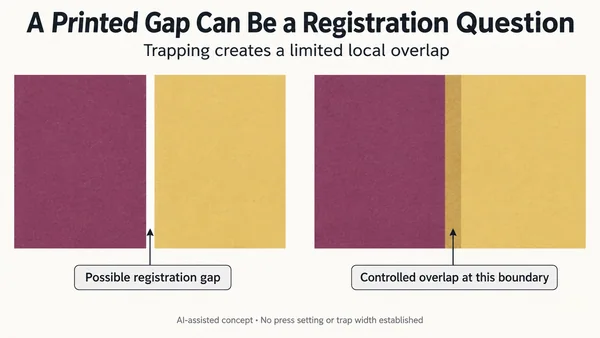
Concept render
Locate the intended colour boundary and process before changing artwork to address a white registration gap.
Read the article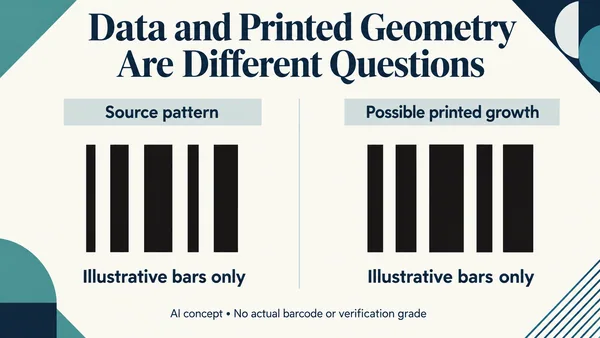
Concept render
Keep approved barcode data separate from the process-specific bar-width compensation needed for print.
Read the article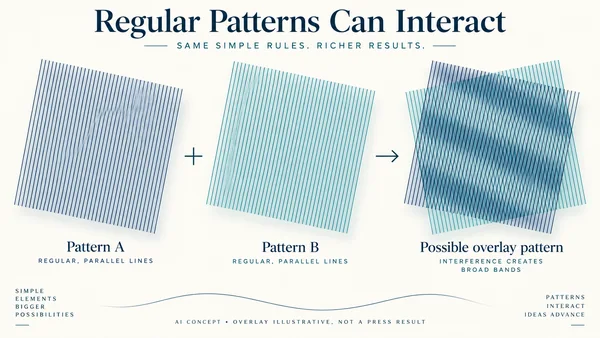
Concept render
Use an abstract 5-and-6-unit alignment example to separate repeated pattern relationships from actual press settings or guaranteed moire.
Read the article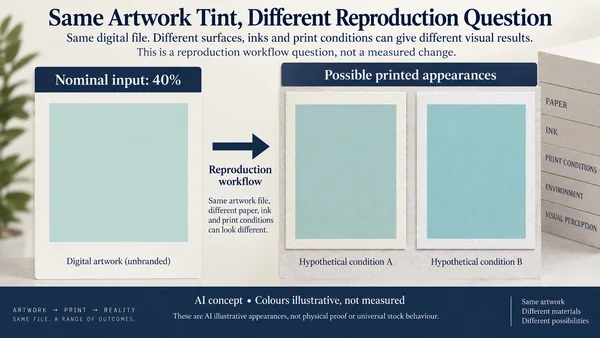
Concept render
Use two invented tone-response points to distinguish percentage-point gain from a universal offset or press correction curve.
Read the article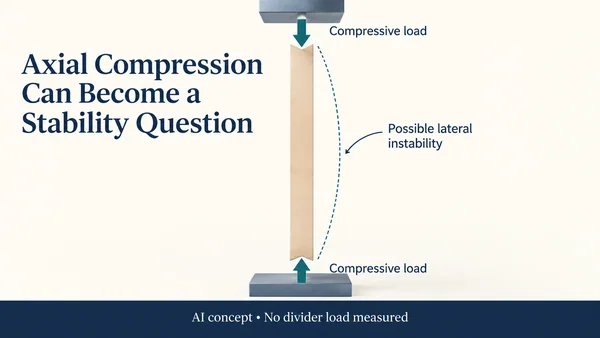
Concept render
Locate the divider's load path and restraints before applying a board figure or prescribing thicker material.
Read the article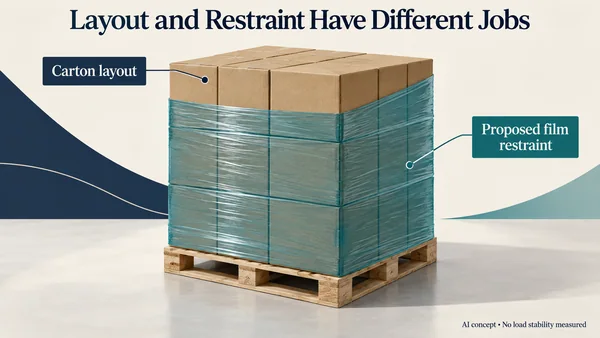
Concept render
Compare the film's contact and applied state with the complete pallet load rather than relying on layer layout alone.
Read the article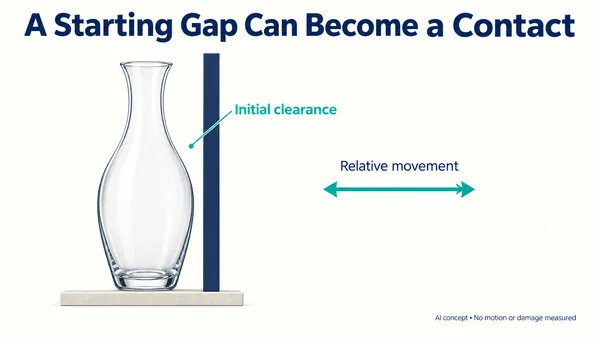
Concept render
Treat static clearance and repeated movement as separate questions when a product can reach neighbouring parts.
Read the article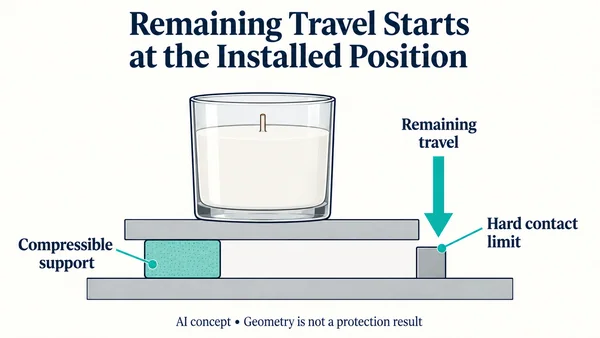
Concept render
Assess remaining cushion travel from the installed state instead of relying on free-pad thickness or softness.
Read the article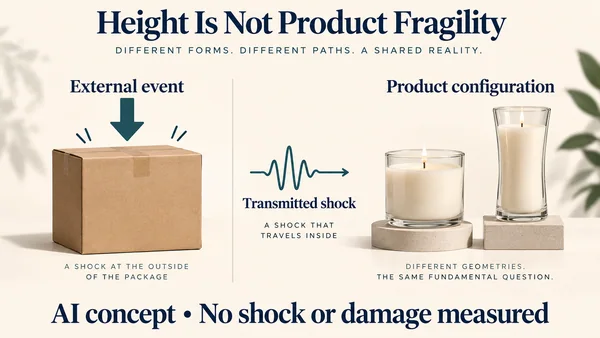
Concept render
Compare invented rectangular and triangular force pulses with equal peak and duration without treating either as a measured product-fragility result.
Read the article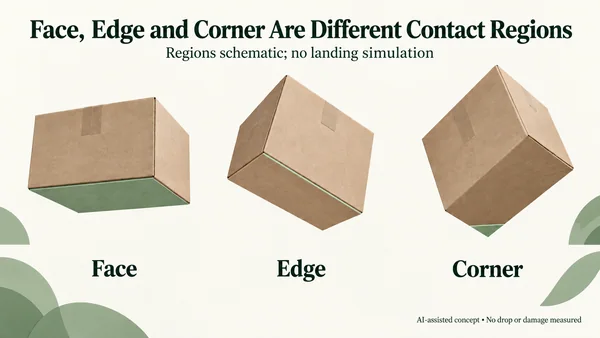
Concept render
Distinguish a lower-corner path from an upper-corner path in one hypothetical pack without treating a generic corner result as all-orientation evidence.
Read the article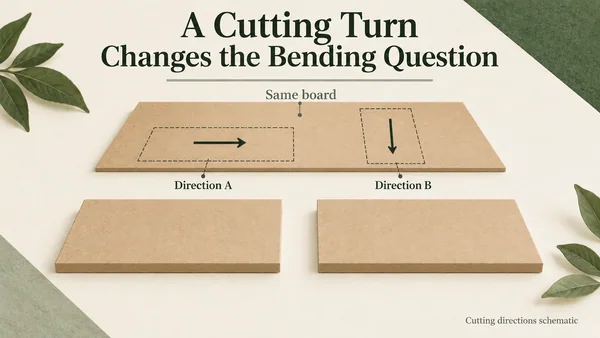
Concept render
Preserve flute and material direction relative to span and bending axis when changing a divider's cutting layout.
Read the article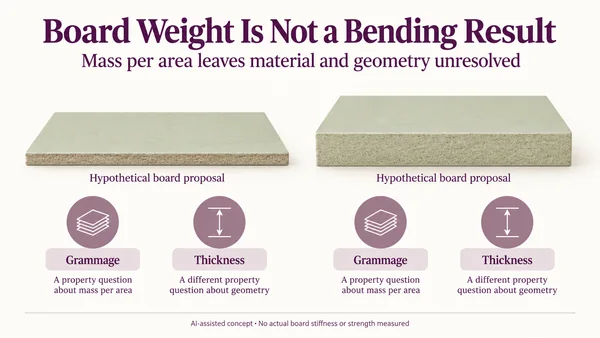
Concept render
Compare thickness, material direction and support as well as grammage when selecting a bending-resistant panel.
Read the article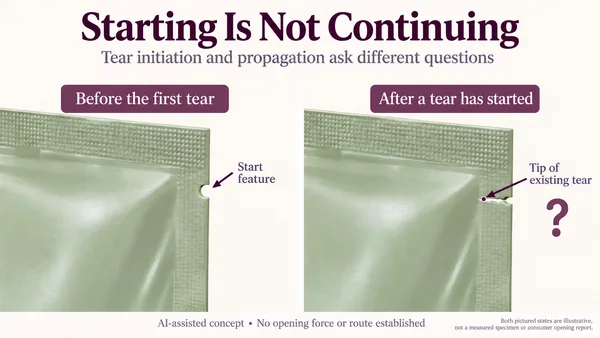
Concept render
Compare hypothetical initiation and propagation evidence in MD with a proposed TD propagation question, keeping all actual film performance unknown.
Read the article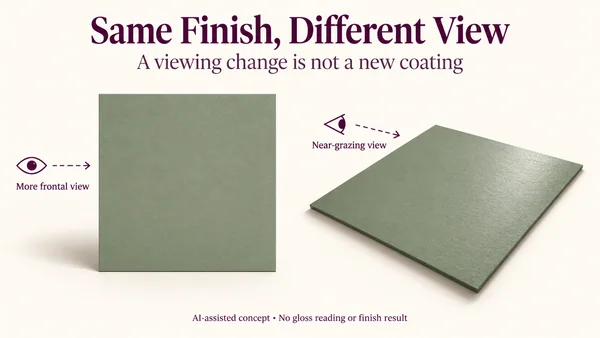
Concept render
Keep hypothetical front/back 60 degree gloss readings separate from an 85 degree edge reading, without converting a pooled mean into surface approval.
Read the article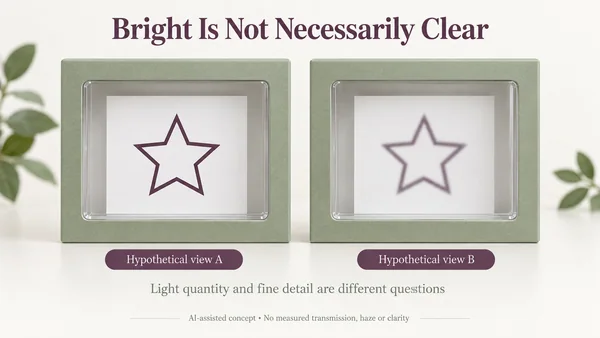
Concept render
Define silhouette, colour or fine-detail visibility before treating window transmittance as a complete viewing score.
Read the article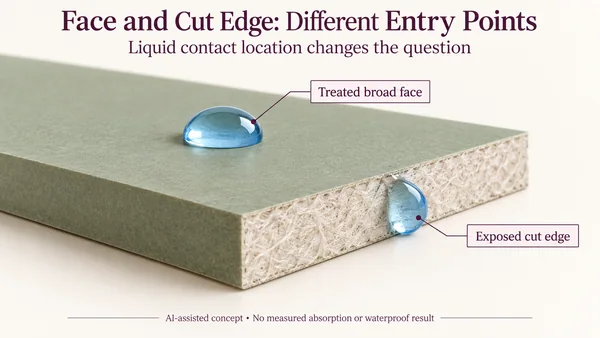
Concept render
Locate plausible liquid contact on faces and cut edges before extending a face-absorption result to the sleeve.
Read the articleStill working out the details? Prepare a brief first.