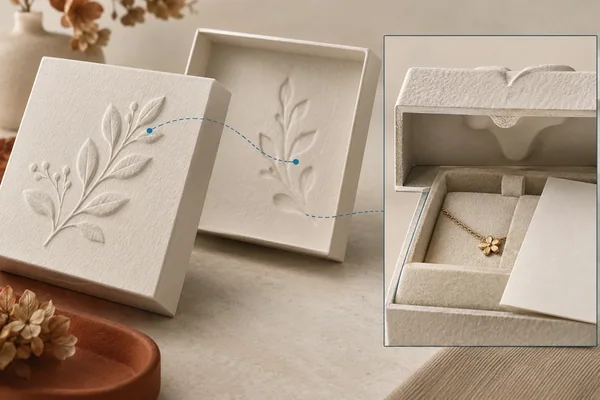
Concept render
Embossing Needs a Back-Surface Contact and Clearance Map
Map embossing back-surface contacts in loaded and delivered states, comparing relief relocation with card relocation without assigning a universal gap.
Read the article
Practical notes about formats, samples, materials, print and supplier-ready briefs for small jewelry, candle and gift brands.
Concept renders illustrate packaging decisions; they are not physical samples or completed customer projects.
Search by question or choose a topic.
Articles may appear in more than one topic.
343 articles · Showing 289–312 · Page 13 of 15
Concept render
Map embossing back-surface contacts in loaded and delivered states, comparing relief relocation with card relocation without assigning a universal gap.
Read the article
Concept render
Locate each foil element on the current dieline and ask the printer about the actual material and process.
Read the article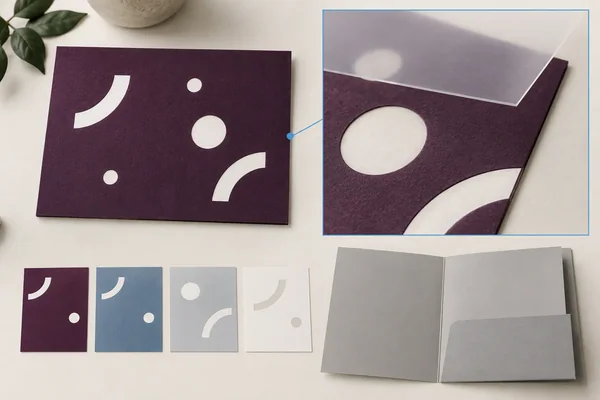
Concept render
Review reversed type as a complete text, background and finish configuration, keeping background-only, finish-only and combined candidates distinct.
Read the article
Concept render
Resolve a small positive-type exception with output-specific printer, actual-size, copy and panel-fit checks without inventing a universal minimum size.
Read the article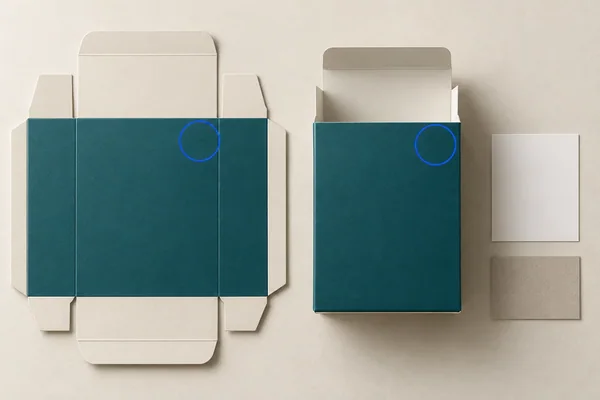
Concept render
Keep large-solid panel evidence tied to its stock and finish, distinguishing substitute or unfinished proofs from the intended formed appearance.
Read the article
Concept render
Separate white ink, underprint and unprinted kraft. Use a labeled artwork map to request the right layers, substrate confirmation and proof.
Read the article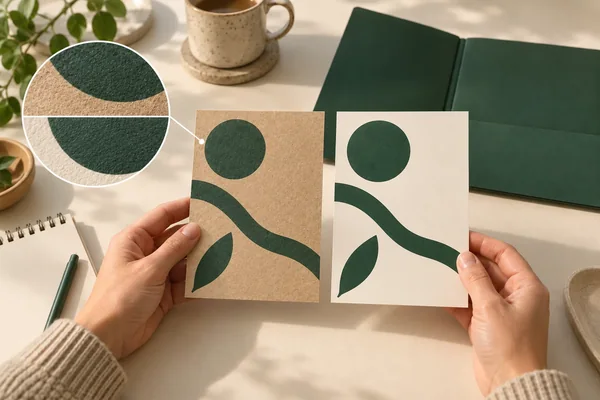
Concept render
Request fine-copy, pale-color and solid-area proof elements on the named paper under consistent viewing conditions.
Read the article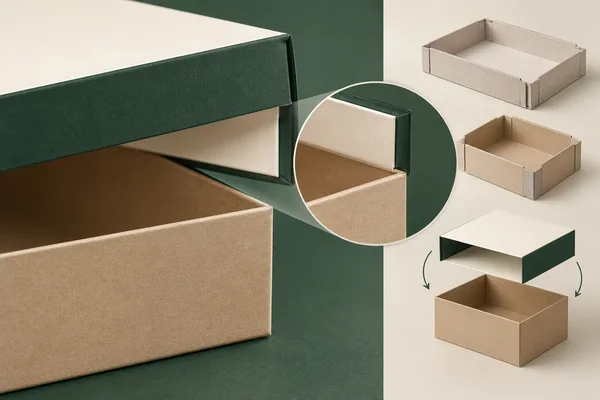
Concept render
Track wrapped lid interfaces by sample state, separating layer-stack changes from drawing changes and rechecking rear and front contacts independently.
Read the article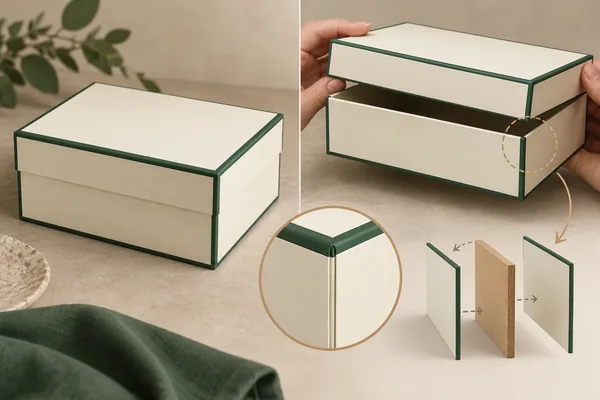
Concept render
Compare alternative wrap-seam locations across closed, opening and handling views while keeping border continuity and workmanship decisions separate.
Read the article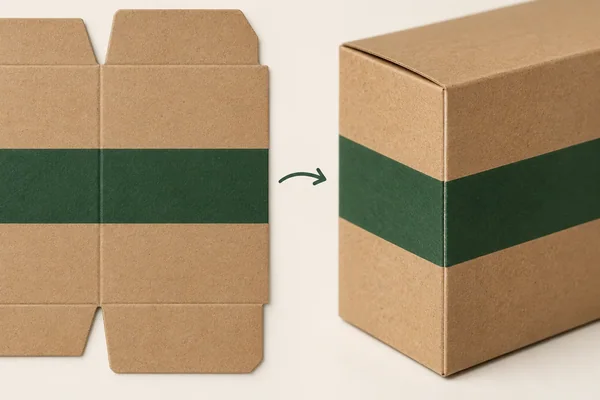
Concept render
Compare flat and formed fold evidence without mixing an artwork relocation with a board change or treating a photograph as a cause diagnosis.
Read the article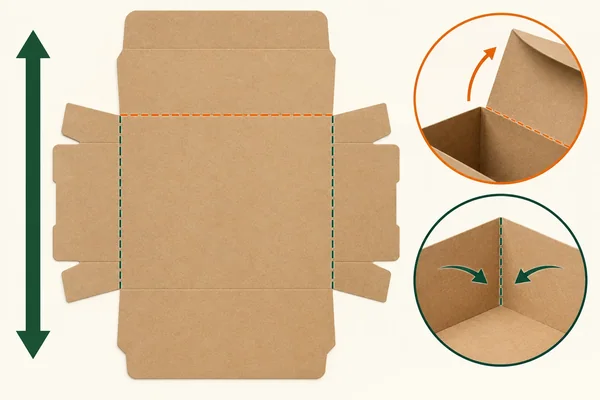
Concept render
Distinguish page rotation from dieline rotation on a fixed sheet, keeping stable crease IDs, sourced machine direction and formed-sample review scope.
Read the article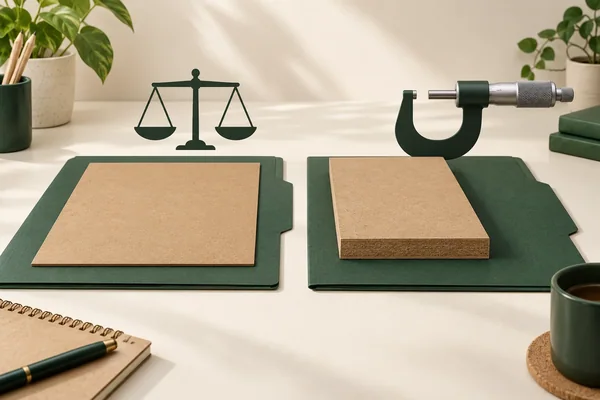
Concept render
Request named board grades with grammage and thickness in separate fields before comparing material proposals.
Read the article
Concept render
Keep box, insert, sleeve and card revisions matched, including unfinished packs during a sleeve changeover and separate transition decisions.
Read the article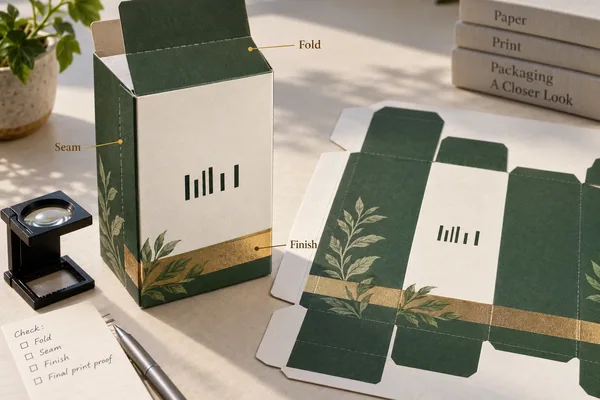
Concept render
Identify the symbol, data, size and quiet zones on the intended finished pack, then request suitable verification evidence.
Read the article
Concept render
Provide the actual container and a fixed alignment reference before trialing the finished label outline.
Read the article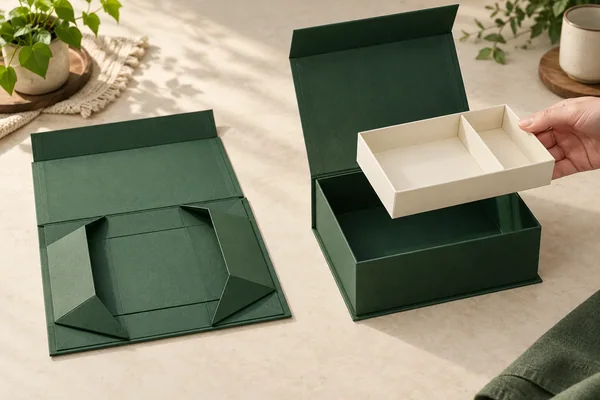
Concept render
Inventory the delivered parts and run the proposed sequence with the intended operator before closing fit decisions.
Read the article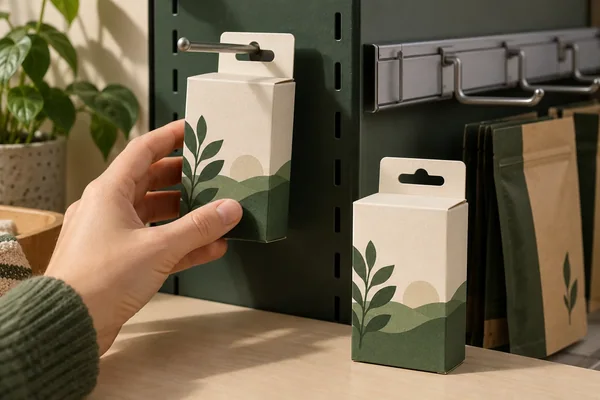
Concept render
Request a fixture reference and review loading, orientation, neighboring clearance and removal with the complete pack.
Read the article
Concept render
Define one complete set, reconcile each component quantity and keep assembly charges separate before comparing totals.
Read the article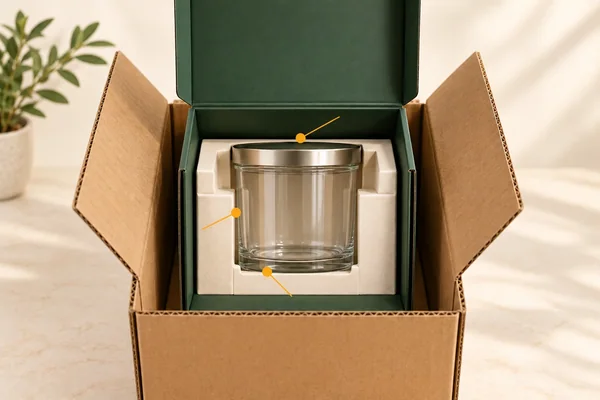
Concept render
List jar, lid, insert, presentation box and outer pack versions, then locate each contact and movement question.
Read the article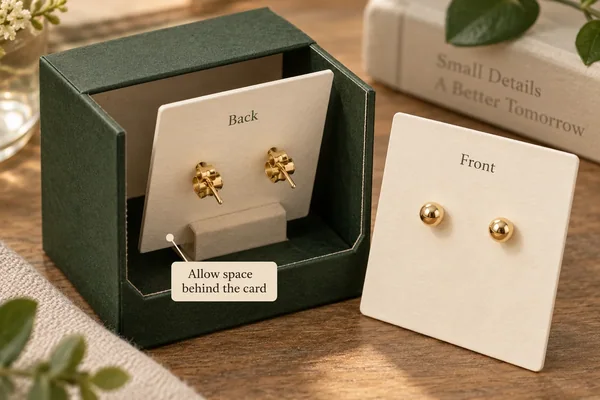
Concept render
Review the actual mounted pair from front and back, then close the complete box before approving hole positions.
Read the article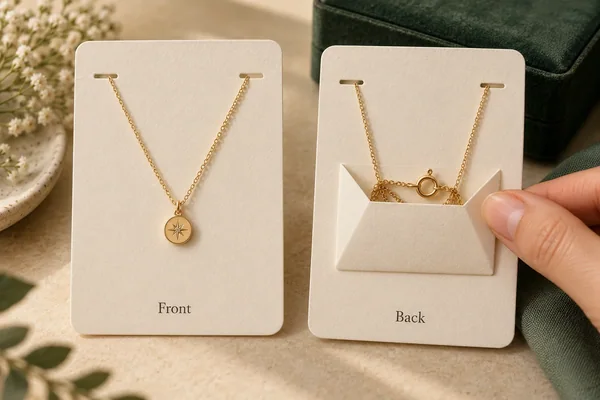
Concept render
Show displayed chain, rear storage and clasp access, then trial loading and removal with the actual piece.
Read the article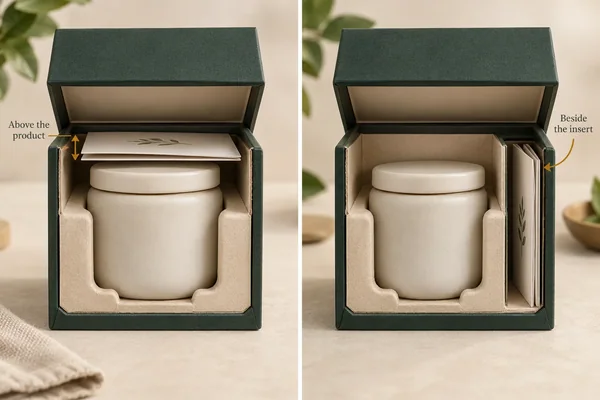
Concept render
Record the folded card size, placement and loading order before comparing closure, contact and product removal.
Read the article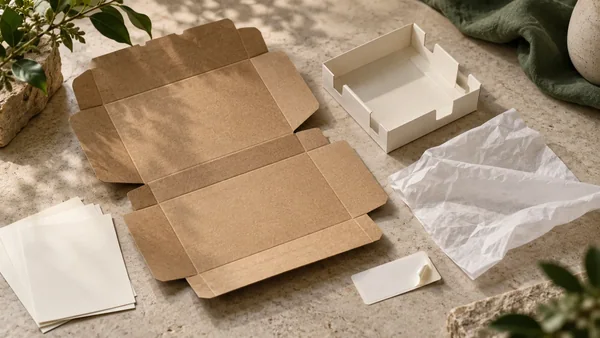
Concept render
Connect each proposed claim to the exact component, supplied configuration, market and responsible wording reviewer.
Read the article
Concept render
Build a multi-SKU jewelry packaging fit matrix. Compare shared outer-box candidates, separate inserts, loading and removal before approving configurations.
Read the articleStill working out the details? Prepare a brief first.